Child-led play learning is a fascinating concept in early childhood education. It empowers children to take charge of their learning journey, making choices based on their interests.
Rather than adults dictating activities, children are encouraged to explore freely within specially designed play environments.
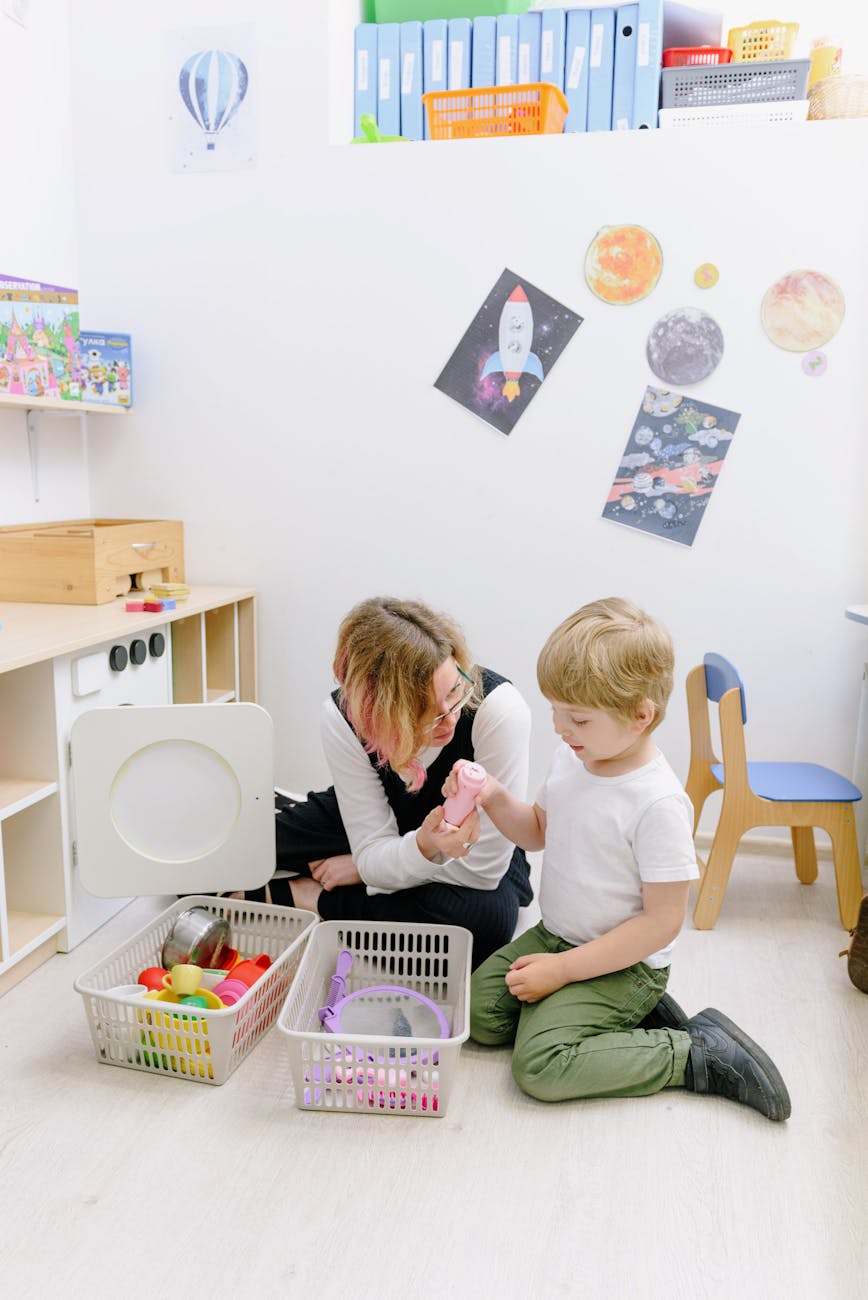
In these spaces, various toys and materials are available to stimulate children’s curiosity and imagination. The environment is flexible, allowing children to shape their play experiences according to their preferences.
The underlying principle is that children possess innate intelligence and learn best through play. Educators act as observers and supporters, respecting children’s autonomy while offering assistance when needed. Instead of directing activities, adults engage with children as equal partners in play.
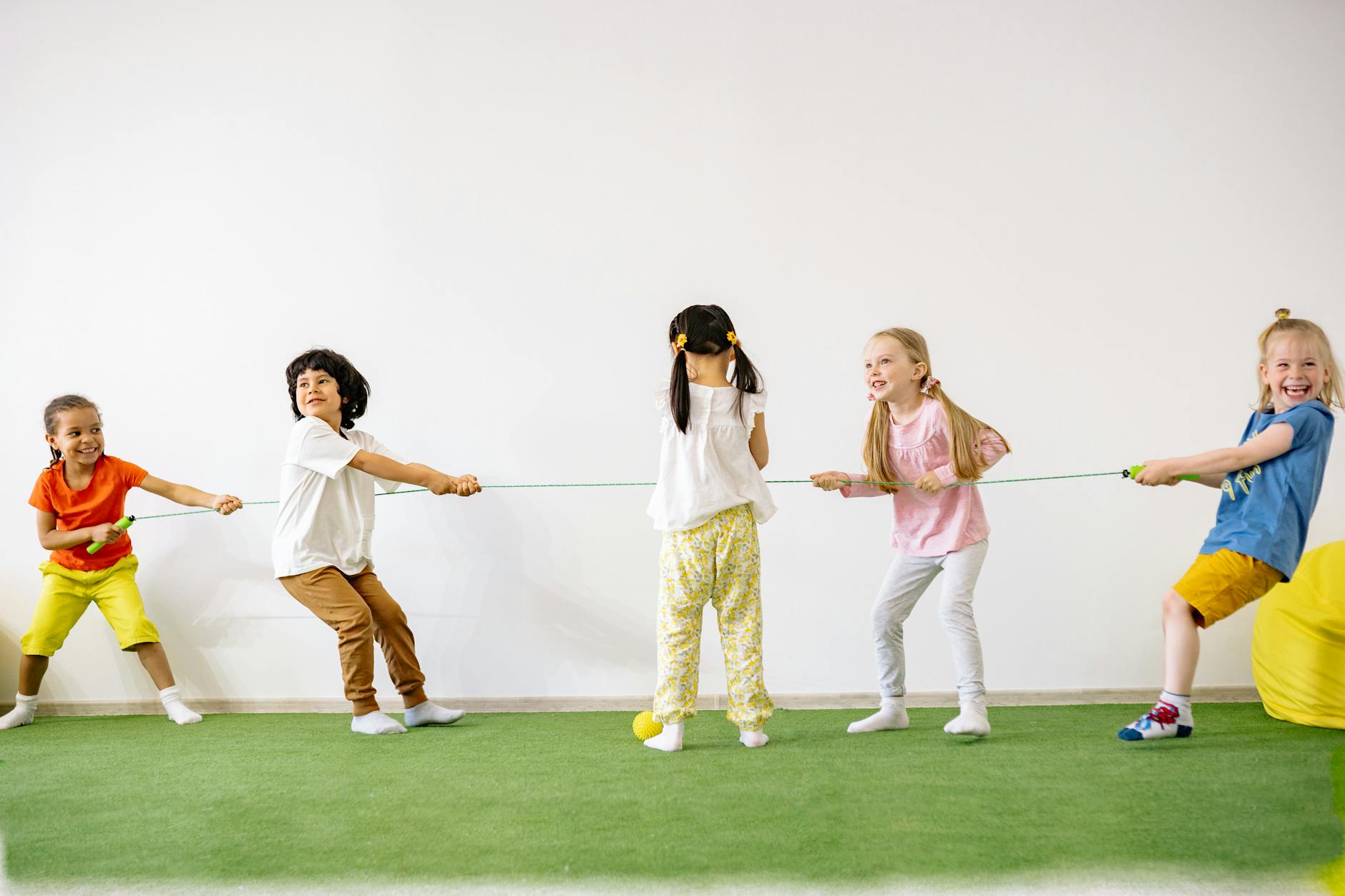
Child-led play learning is not just about enjoyment; it also promotes crucial skills such as problem-solving and social interaction. Additionally, it aids in emotional development, helping children understand and manage their feelings effectively.
When fully engaged in play, children enter a state of deep concentration and enjoyment, where learning happens naturally. This approach ensures that learning is both enjoyable and meaningful, fostering holistic development in children.
Therefore, supporting child-led play learning is essential in providing children with rich and fulfilling learning experiences. It enables them to explore, discover, and grow while laying a strong foundation for their future learning.


Leave a Reply