Teaching collaboration to young children is a key part of their social and emotional development. In today’s world, the ability to work well with others is a valuable skill that benefits children both in school and later in life. Developing teamwork skills early sets the foundation for positive relationships, problem-solving abilities, and a sense of community.

Why is Collaboration Important?
- Building Social Skills: Collaboration teaches children how to communicate with others, express ideas and listen to different points of view. These are essential for building strong relationships.
- Developing Problem-Solving Skills: When children work together, they learn to solve problems by combining their ideas and strengths. They understand that challenges can be approached in many different ways, fostering creativity and critical thinking.
- Promoting Empathy: Collaborative activities help children see things from others’ perspectives. They begin to understand that people have different feelings, experiences and ideas, which builds empathy and emotional intelligence.
- Encouraging Responsibility: Working in a team requires children to take responsibility for their role. This encourages accountability and helps them understand how their actions affect others.
How to Start Fostering Collaboration Early
There are many ways to introduce young children to the concept of teamwork in a fun and engaging manner. Here are some simple activities and strategies to promote collaboration:
Group Art Projects: Provide a large sheet of paper and ask small groups of children to create a piece of artwork together. They must decide who will do each part (e.g., drawing, colouring, or cutting) and share their materials. This encourages communication and cooperation in a playful setting.
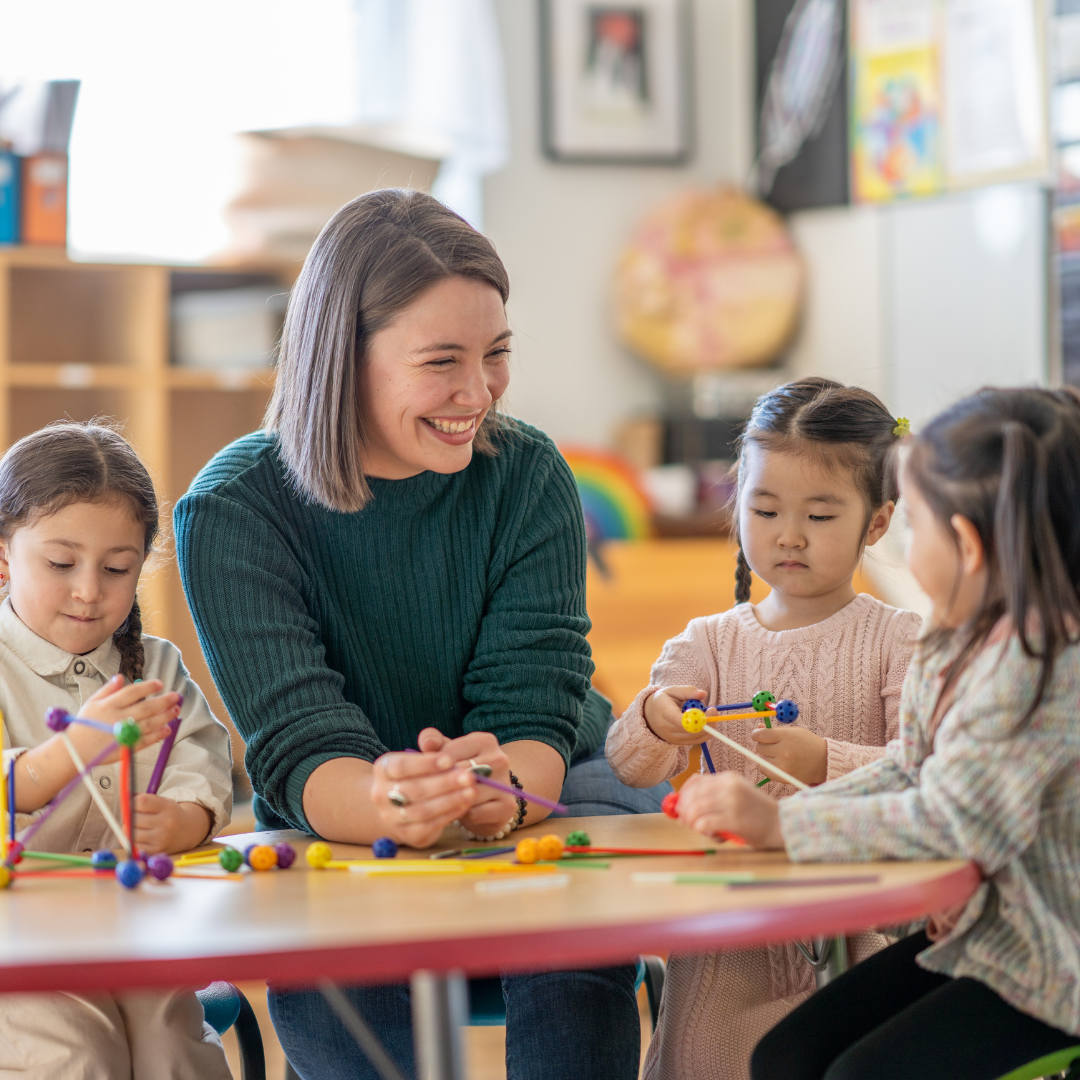
Building Together: Using blocks or other construction toys, encourage children to build a tower, house, or structure as a group. They must work together, negotiate ideas and help each other balance the pieces. This kind of activity strengthens teamwork while also developing problem-solving skills.
Storytelling Circles: Begin a story and ask each child to add to it, one sentence at a time. This requires active listening and creativity, as children must follow along and contribute to the story as it grows. It helps them understand the importance of taking turns and listening to others’ ideas.
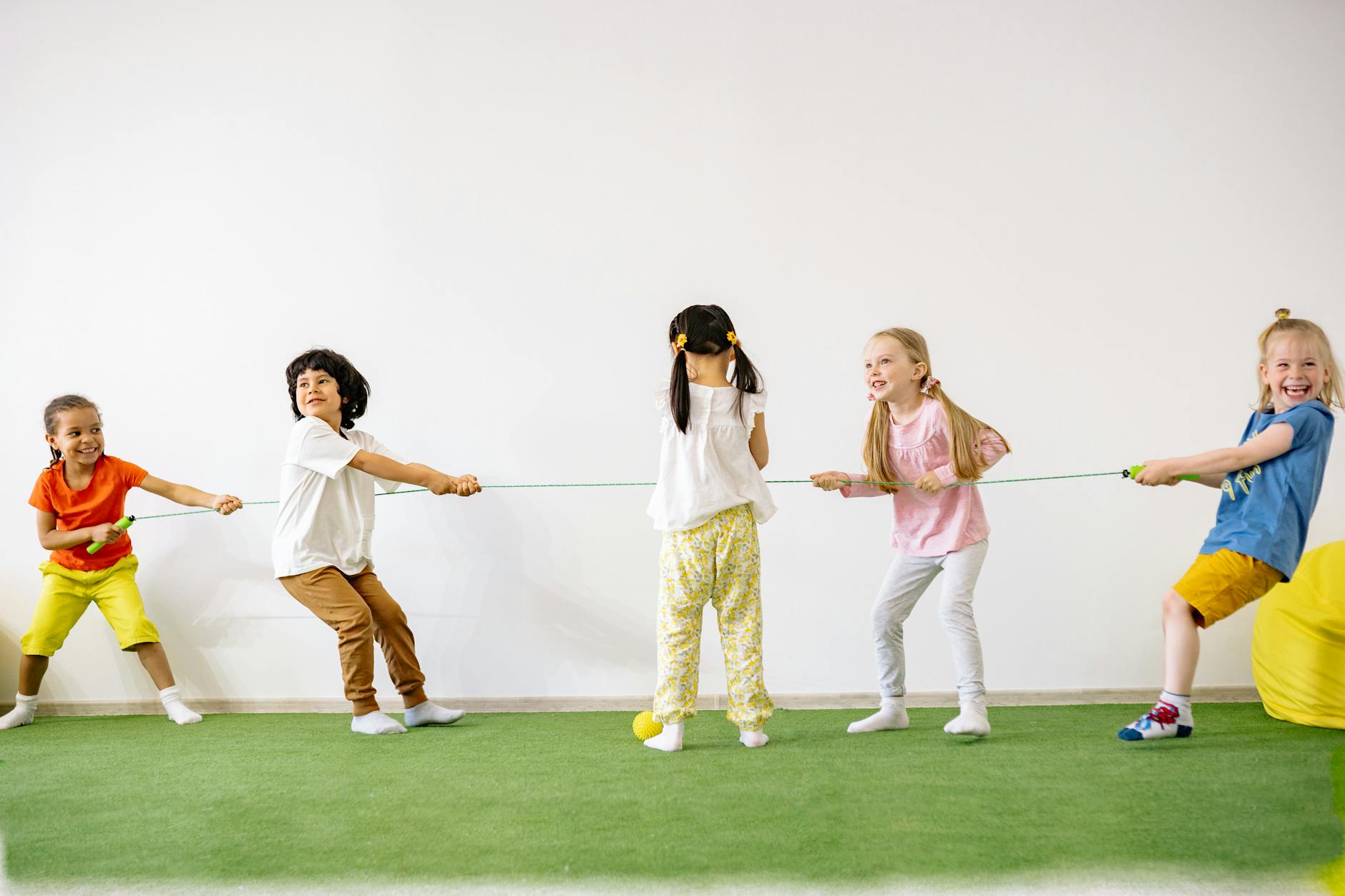
Team Games: Organise simple team-based games such as relay races, treasure hunts, or obstacle courses. These activities teach children how to rely on one another to complete a task, fostering a sense of unity and shared success.
Group Problem-Solving Activities: Present the children with a challenge, like building a bridge from craft sticks or solving a puzzle together. They must communicate, share ideas and experiment as a team to achieve a common goal.
Tips for Encouraging Collaboration
- Model Teamwork: Children learn by watching others. Teachers and parents can model collaborative behaviours by working together with other adults or even involving children in team-like activities.
- Celebrate Successes Together: Whenever a group successfully completes an activity, take time to celebrate their teamwork. Recognising their joint effort reinforces the value of working together.
- Provide Support and Guidance: Encourage children to express their ideas and listen to their peers, but step in when conflicts arise. Help them understand how to resolve disagreements respectfully and continue working as a team.
Starting collaboration at a young age not only helps children succeed in their early education but also prepares them for future teamwork in school, work and life. Through engaging and cooperative activities, young learners can develop key social and emotional skills that will benefit them throughout their lives.
By making collaboration a natural and enjoyable part of their daily routine, we can raise children who are not only independent thinkers but also compassionate team players.