The concept of a growth mindset, introduced by psychologist Carol Dweck, emphasises the belief that abilities and intelligence can be developed through effort, learning and persistence. For young children, fostering this mindset early on is crucial as it sets the foundation for how they approach challenges and view their capabilities throughout life. But where do we begin in helping children, aged 3 to 6, develop a growth mindset?

1. Model a Growth Mindset
Young children learn by observing the adults around them. If educators and parents consistently demonstrate a willingness to try new things, learn from mistakes and embrace challenges, children will begin to adopt similar attitudes. Use phrases like:
- “I can’t do this yet, but I’m going to keep trying.”
- “Mistakes help me learn.”
- “I’m proud of how hard you worked on that!”
By normalising struggle as part of the learning process, children become more comfortable with the idea of persistence.
2. Encourage Effort Over Outcome
One of the most effective ways to instil a growth mindset is by praising effort rather than results. Instead of saying, “You’re so smart!” try, “I love how hard you worked on that puzzle.” This shifts the focus from fixed abilities to the value of persistence and resilience. Children should feel that their efforts are acknowledged, whether or not they immediately succeed.
3. Teach the Power of “Yet”
The word “yet” is a simple but powerful addition to a child’s vocabulary. When a child says, “I can’t do this,” encourage them to reframe it to, “I can’t do this yet.” This small shift opens up the possibility of future success and encourages a mindset of continuous learning and improvement. This language can be reinforced during tasks like learning to ride a bike, solving a math problem, or mastering a new skill.
4. Introduce Growth Mindset Stories
Children’s books are a great way to illustrate the principles of a growth mindset. Stories where characters face challenges, make mistakes and ultimately succeed through persistence help make abstract concepts concrete. Books like Giraffes Can’t Dance by Giles Andreae teach children that challenges are a normal part of life and can be overcome with perseverance.
5. Create Opportunities for Problem Solving
Give children plenty of opportunities to solve problems on their own. Whether it’s building a block tower, figuring out how to tie their shoes, or resolving a conflict with a peer, stepping back and letting them struggle a bit teaches valuable problem-solving and resilience skills. Avoid jumping in to fix things immediately; instead, ask guiding questions that lead them to discover solutions independently.
6. Make Mistakes a Learning Moment
When children make mistakes, use these as teachable moments. Encourage them to reflect on what happened, why it happened, and how they can approach the task differently next time. This reflection helps children view mistakes as part of the learning journey rather than something to fear. For example, if a child’s tower keeps falling down, ask, “What could you try differently next time to make it stronger?” This encourages critical thinking and reinforces the idea that mistakes lead to growth.
7. Use Mindset-Supporting Activities
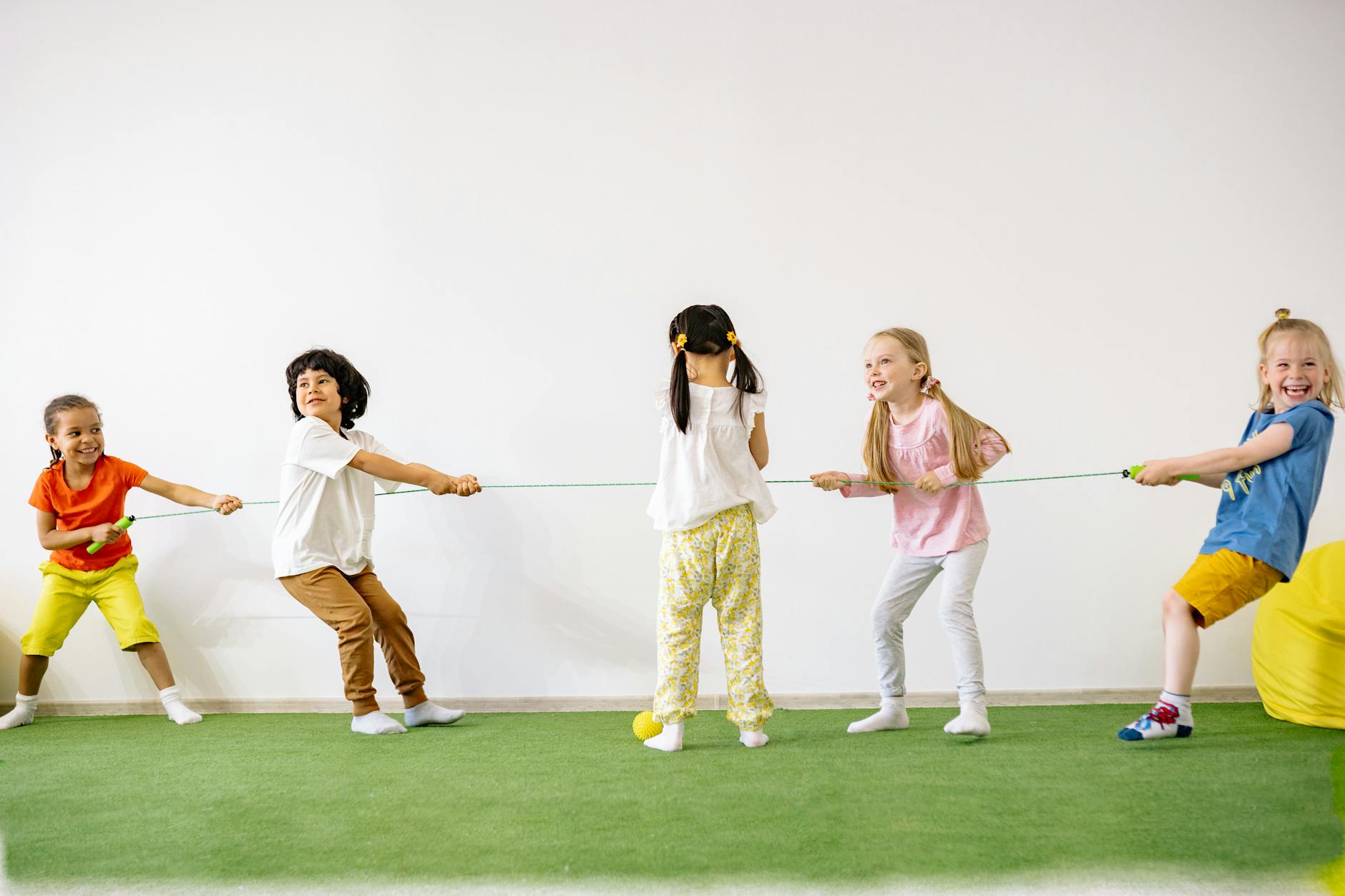
Incorporating hands-on activities that promote trial and error encourages resilience. Consider using puzzles, building blocks and even outdoor obstacle courses where children must try, fail and try again. These activities naturally promote perseverance and with guidance, children can begin to enjoy the challenge rather than feel defeated by it.
8. Encourage Reflection
At the end of the day or week, create a routine of reflecting on challenges faced and how they were overcome. Ask questions like:
- “What did you find difficult this week?”
- “How did you solve that problem?”
- “What will you do next time when you feel stuck?”
Reflection helps children build self-awareness and reinforces the growth mindset philosophy that effort leads to improvement.
9. Develop Self-Talk
Children often internalise negative thoughts when facing difficulty. Teaching positive self-talk can help them navigate frustration. Simple phrases like “I can do hard things” or “I’ll try again” can make a big difference in how they approach challenges. You can create a classroom or home space where these affirmations are visible and practice them together in moments of frustration.
10. Celebrate Growth
Finally, make a point to celebrate growth. Whether a child has mastered a new skill or simply showed resilience in trying again after failure, these moments deserve recognition. Celebrating effort reinforces the idea that progress matters more than perfection.
Fostering a growth mindset in early childhood doesn’t happen overnight. It requires consistency, modelling and patience. However, by integrating these practical strategies into everyday interactions, educators and parents can nurture persistence, resilience and a love of learning in children. The rewards are children who are not only better prepared for academic challenges but also more adaptable and confident in all aspects of life.