Project-based learning (PBL) is a dynamic approach to teaching that encourages children to actively explore real-world challenges and collaboratively solve problems. When adapted for early childhood education, PBL can inspire curiosity, foster critical thinking, and make learning more meaningful and hands-on. This approach aligns perfectly with young children’s natural inclination to ask questions and engage in playful exploration.

In this beginner’s guide, we’ll explore how to implement PBL in early childhood classrooms and offer practical steps for getting started.
What is Project-Based Learning (PBL)?
Project-based learning is a student-centered methodology that encourages children to investigate and solve a question or challenge through a project. Unlike traditional lessons, PBL invites children to work over an extended period, applying what they learn to create tangible outcomes. This could be anything from building a model, designing a poster, creating a video, or conducting an experiment.
Why Use PBL in Early Childhood?
Young children are naturally curious and learn best through hands-on activities that allow them to explore and discover. PBL gives them the opportunity to:
- Develop critical thinking and problem-solving skills
- Learn how to collaborate with peers
- Engage in meaningful inquiry and exploration
- Build communication and presentation skills
- See connections between what they are learning and the world around them
For early learners, PBL can transform play into deep learning experiences where they not only acquire knowledge but also learn how to use that knowledge creatively and purposefully.
1. Start with a Big Idea
To begin implementing PBL in the early years, start with a “big idea” or essential question that is relevant to the children’s world. The key is to find a topic that sparks curiosity and is broad enough for exploration, yet grounded in the interests and developmental levels of the children.
For example:
- “Where does our food come from?”
- “How do animals build their homes?”
- “How can we help keep our school clean?”
This “big idea” should be open-ended, allowing the children to ask their own questions and explore multiple pathways to answers.
2. Plan Meaningful, Hands-on Activities
Once you have a big idea, plan activities that allow children to engage deeply with the topic. Focus on providing hands-on experiences that are age-appropriate and encourage exploration.
For example, if the big idea is “Where does our food come from?”, you could:
- Organise a visit to a local farm or invite a farmer to class
- Create a vegetable garden in the schoolyard
- Have children explore different types of seeds, soil and plants
- Set up a pretend “farmers market” where children can sell and buy pretend produce
These activities should engage all the senses and allow children to actively participate in the learning process.
3. Encourage Collaboration and Teamwork
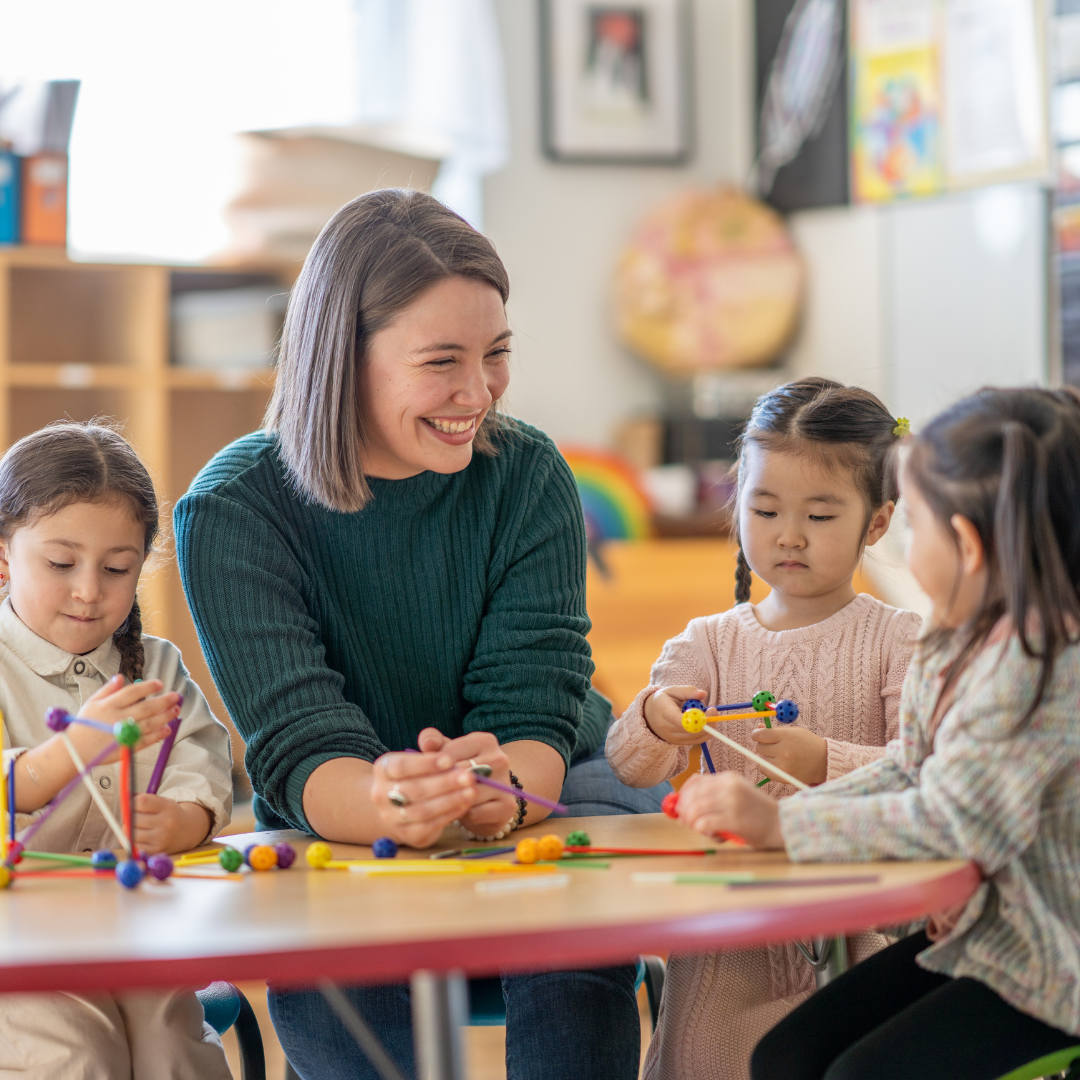
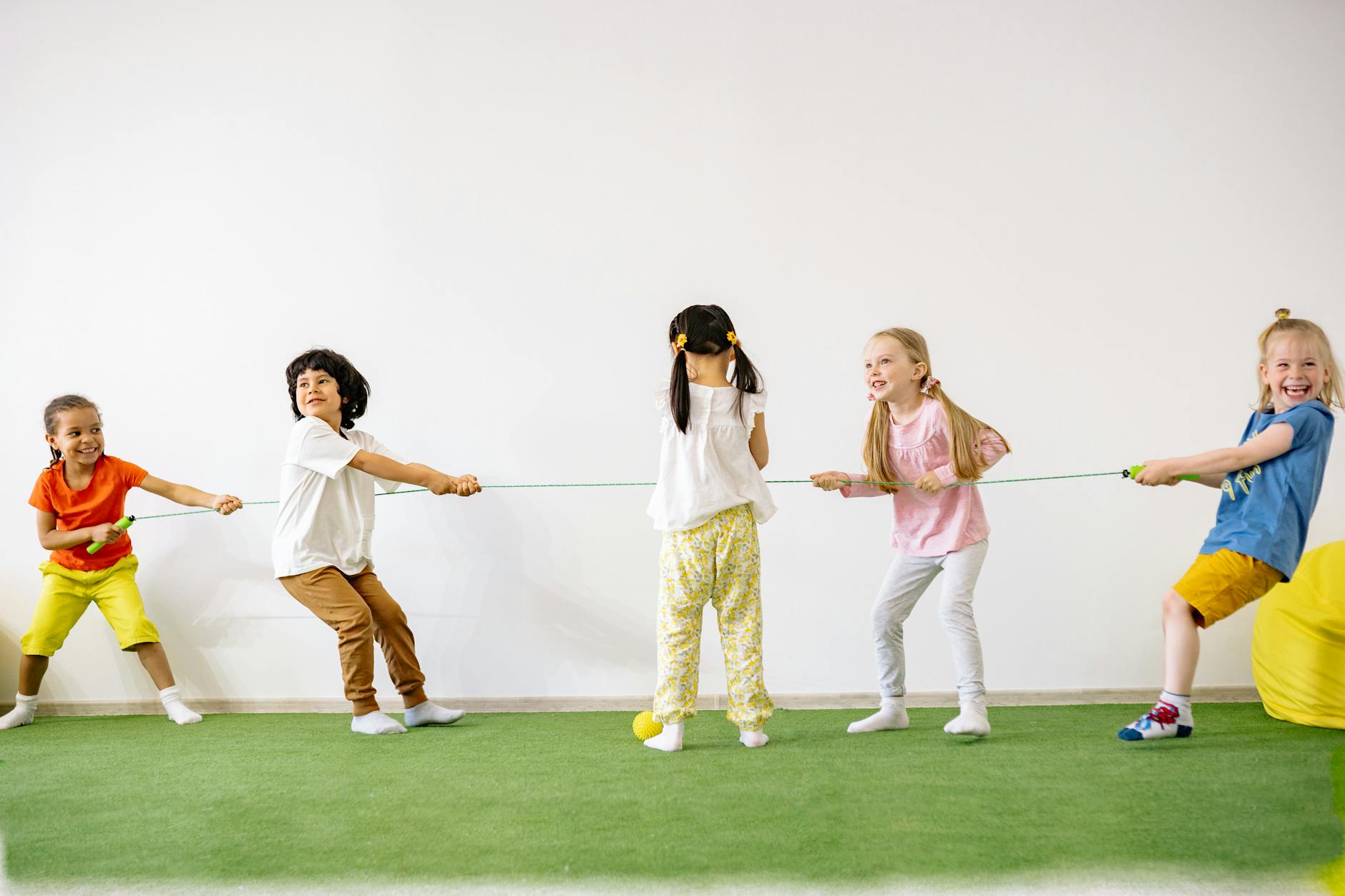
PBL thrives on collaboration. Even in early years, children can learn the basics of teamwork by working on group projects. Encourage small group discussions, cooperative play and shared responsibilities within the project.
For instance, children could work in groups to build different sections of an animal habitat using recycled materials. One group might create the trees, another might work on the water source, while another group designs the shelters.
By working together, children learn how to listen, share ideas, take turns and respect the contributions of others.
4. Foster Inquiry and Questions
Inquiry is at the heart of PBL and young children are naturally inquisitive. Allow them to ask questions throughout the project and guide their investigations. Instead of providing answers right away, help them discover the answers through exploration and experimentation.
For example, if a child asks, “Why do some plants need more sunlight than others?” instead of giving a direct answer, encourage them to observe different plants and experiment with placing them in various light conditions.
The key is to help children understand that their questions are valuable and that they have the power to find answers through inquiry.
5. Document the Learning Process
As children work on their projects, document their progress through photos, videos or drawings. This serves two purposes: it helps children reflect on their learning and it provides a way to share their work with others.
You might create a class project journal where children can add their drawings, ideas or photos of their work. As a teacher, you can also keep notes on their participation, questions and the skills they are developing along the way.
6. Showcase and Celebrate the Outcomes
At the end of the project, allow children to share what they have learned and created. This could be in the form of a small presentation, an exhibition of their work, or even a classroom event where parents and other children can come to see their projects.
For example, after a project on “How do animals build their homes?”, the children could host a “Nature Exhibit” where they showcase the habitats they’ve built, alongside photos and stories of their discoveries.
Celebrating their work gives children a sense of accomplishment and helps reinforce the connection between their learning and the world around them.
7. Reflect on the Experience
After the project is completed, take time to reflect with the children on what they learned. Ask questions like:
- What was your favourite part of the project?
- What did you learn that surprised you?
- What would you do differently next time?
Reflection helps deepen understanding and encourages children to think about their learning process, which is essential for developing lifelong learning habits.
Implementing project-based learning in early childhood can be both rewarding and impactful. It provides young children with the opportunity to engage in meaningful exploration while developing key social, cognitive and emotional skills. By starting with a big idea, planning hands-on activities, fostering inquiry and encouraging collaboration, you can bring the benefits of PBL into your early years classroom.
Through PBL, children will not only learn essential content but also develop a love for discovery, a passion for problem-solving and a deep understanding of the world around them.