A learning provocation is a celebration of curiosity—an acknowledgment of children’s natural inclination to question, explore, and make sense of the world around them. By providing an environment rich in provocations, educators empower children to take ownership of their learning journey, fostering a sense of agency and self-directed inquiry.
Through open-ended exploration, children develop critical thinking skills, their problem-solving abilities, and cultivate a lifelong love of learning. Whether it’s experimenting with cause and effect, investigating the properties of materials, or collaborating with peers on a shared project, learning provocations pave the way for rich, meaningful learning experiences. It transcends the traditional boundaries of education, embracing the philosophy that children learn best when they are actively involved in the process. The goal of a learning provocation is to create an environment that encourages children to actively participate, make connections between ideas and develop critical thinking skills.

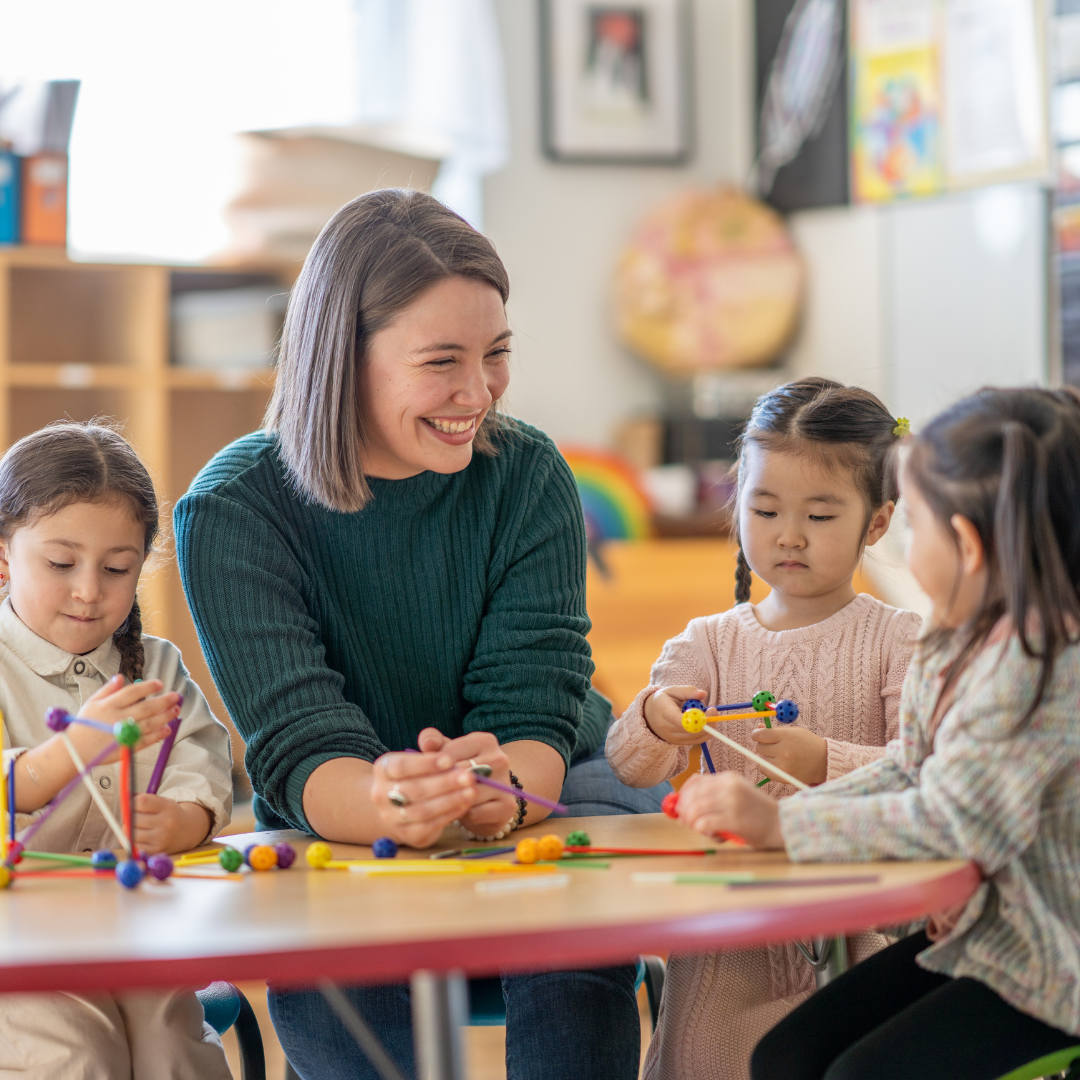
Central to the success of learning provocations is the role of the educator—a skilled facilitator who orchestrates the learning environment with care and intentionality. A provocation can be a book, a photograph, a videoclip, a challenge, tools, loose parts, a tuff tray, a dress up day, a trip, a visitor, etc. Educators observe, listen, and engage with children as they interact with provocations, providing guidance, support, and scaffolding when needed.
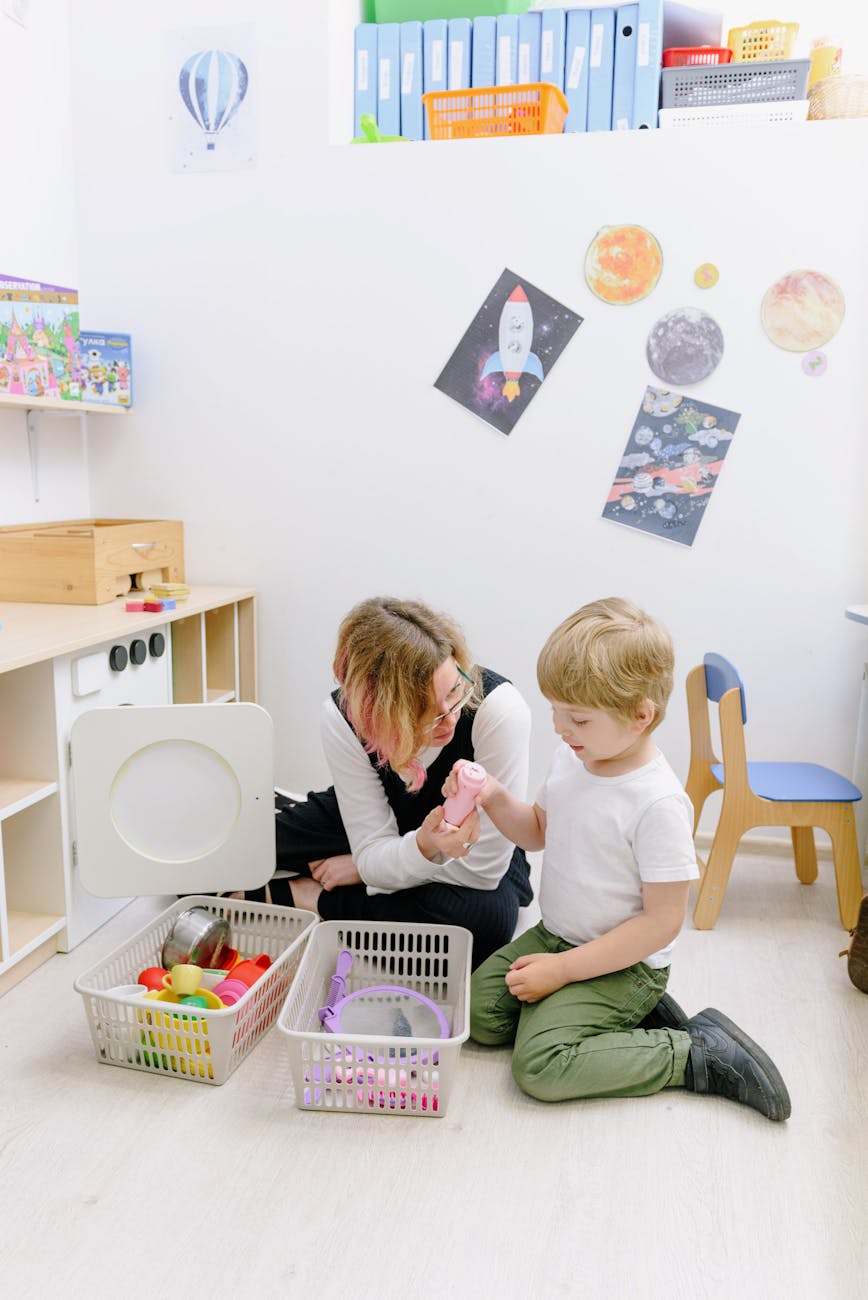
Educators meticulously select materials and design setups that align with children’s interests, spark their curiosity, and foster meaningful engagement. By observing how children interact with the provocation, educators can gain insights into their interests, abilities, and learning styles, which can inform future learning experiences and curriculum planning.
Moreover, educators serve as co-learners, embracing the spirit of inquiry alongside children, fostering a culture of curiosity and wonder. By nurturing a supportive and responsive learning community, educators create an environment where children feel empowered to explore, experiment, and take risks in their quest for knowledge.

Leave a Reply