Early childhood education is pivotal in shaping a child’s readiness for formal schooling. During these foundational years, the role of early years teachers becomes especially crucial. They play a significant part in preparing young children not only academically but also socially and emotionally.

Social and Emotional Skills Development
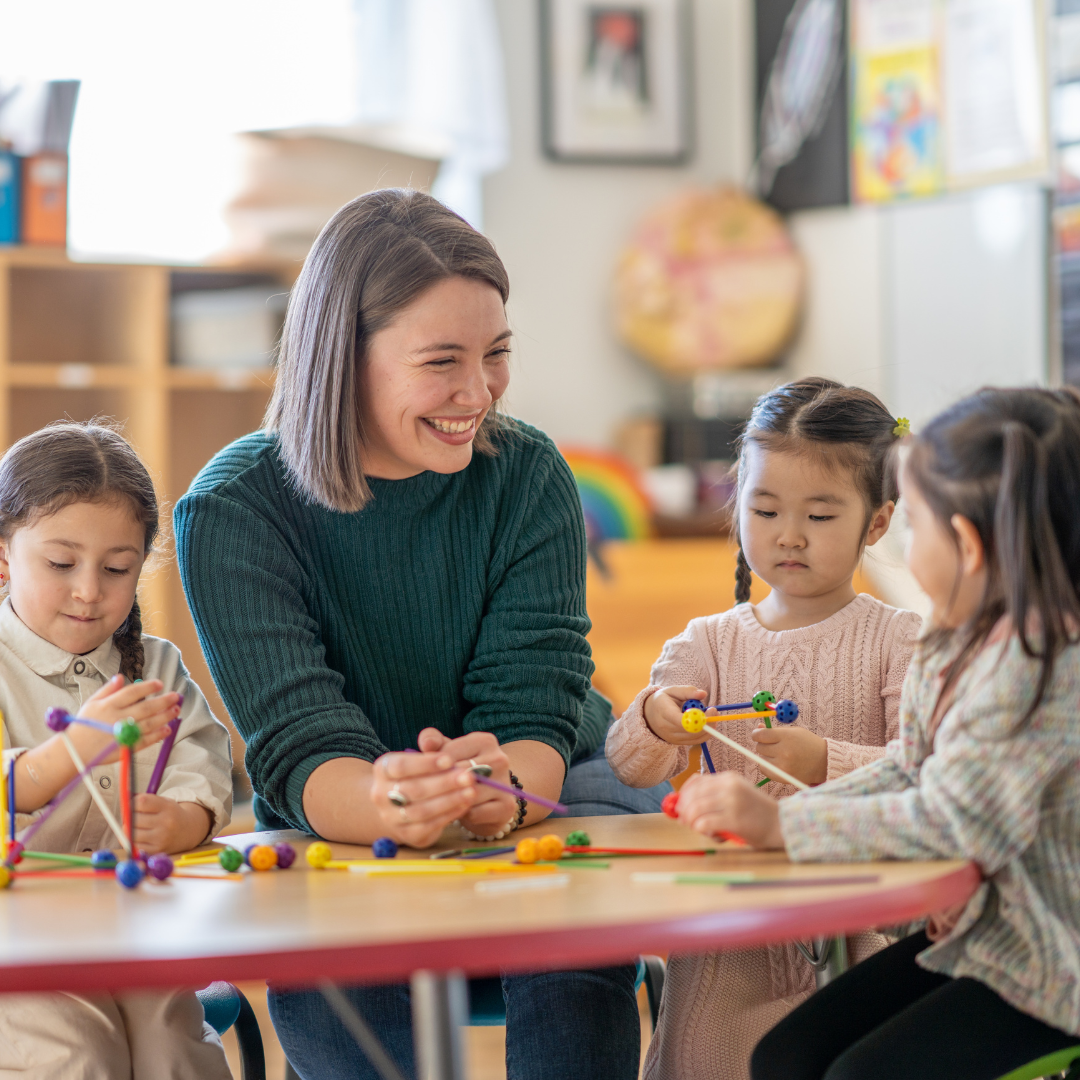
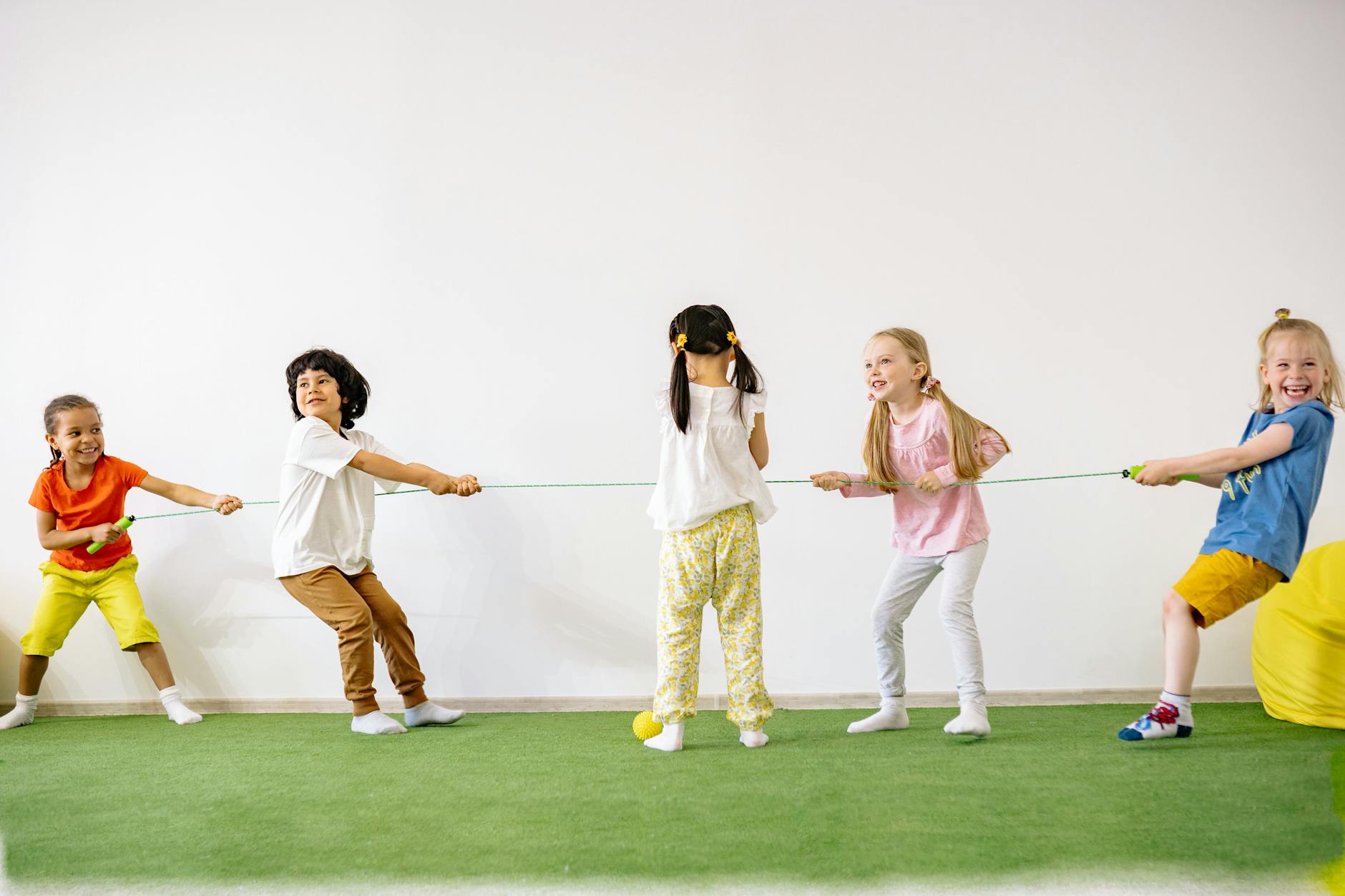
Early years teachers focus on nurturing social skills that are essential for interacting with peers and adults. Through structured activities and play, children learn how to share, take turns, and communicate effectively. These skills form the basis for positive relationships and collaboration in later educational settings.
Learning to manage emotions is critical aspect of school readiness. Early years teachers create a supportive environment where children can express their feelings and learn appropriate ways to cope with challenges. This emotional resilience helps children adapt to new situations and handle the demands of school life.
Promoting Early Literacy and Numeracy
Teachers introduce children to the world of language and numbers in engaging ways. Through storytelling, rhymes, and age-appropriate books, they cultivate a love for reading and build a strong foundation in language skills. Similarly, activities involving counting, sorting, and basic mathematical concepts lay the groundwork for later mathematical understanding.
Importance of Play-Based Learning
Play is central to early childhood education as it allows children to explore, imagine, and experiment. Teachers incorporate play-based activities that stimulate cognitive development and problem-solving skills. Through play, children learn to think creatively and develop their curiosity about the world around them.
Individualised Support
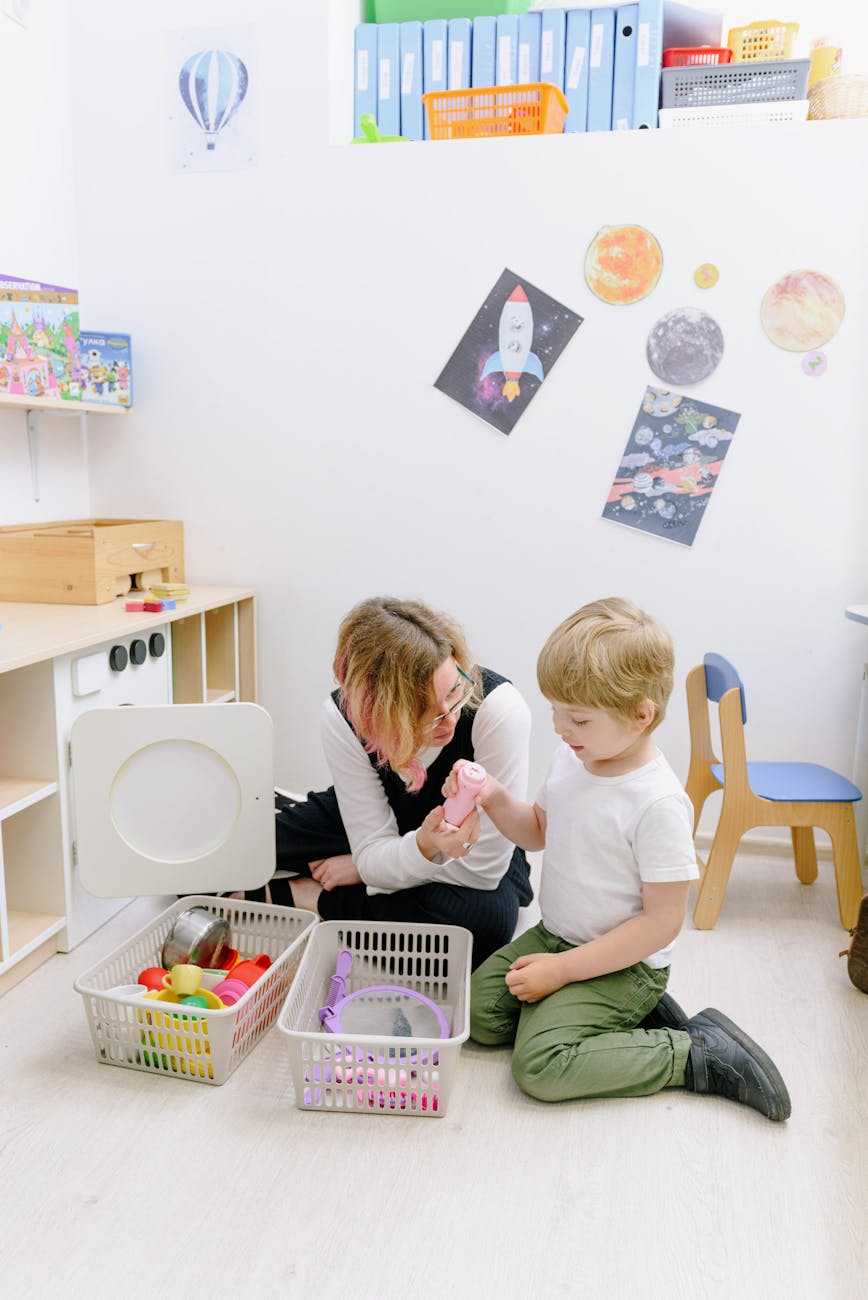
Recognising that each child learns differently, early years teachers provide personalised attention to meet diverse needs. They observe children closely, identify strengths and areas for improvement, and tailor activities accordingly. This individualised approach ensures that every child receives the necessary support to thrive academically and socially.
Preparing for Academic Success
By focusing on social skills, early literacy, numeracy, emotional regulation, play-based learning, and individualised support, early years teachers lay a solid foundation for academic success. Children who enter formal schooling with these skills are better equipped to engage in learning, interact positively with peers and teachers, and achieve their full potential.
The role of early years teachers goes beyond imparting knowledge; they are instrumental in fostering holistic development in young children. By nurturing social, emotional, and cognitive skills through engaging activities and personalised support, they play a vital role in preparing children for a successful transition to formal schooling. Their dedication and expertise contribute significantly to shaping the future generations of learners and leaders.

Leave a Reply