In recent years, teachers have increasingly turned to Project-Based Learning (PBL) as a powerful approach to engage young learners in meaningful, hands-on experiences that spark curiosity, foster collaboration, and ignite a love for learning. Let’s explore the benefits of implementing PBL in early years settings and how it nurtures young minds.
Project-Based Learning (PBL) fosters curiosity and inquiry. Young children are naturally curious, and PBL promotes this innate curiosity by presenting them with real-world problems or questions to investigate. Whether it’s exploring the life cycle of butterflies or designing a mini-garden, PBL projects pique children’s interest and encourage them to ask questions, make observations, and seek answers through exploration and discovery. This inquiry-driven approach lays the groundwork for a lifelong love of learning and cultivates essential critical thinking skills from an early age.
PBL is also known for promoting active engagement. Gone are the days of passive learning and memorisation. PBL actively engages children in hands-on, experiential learning experiences that capture their imagination and creativity. Whether they’re building structures with blocks, conducting simple science experiments, or creating art projects, children are actively involved in every stage of the project, from planning to implementation. This active engagement not only enhances their understanding of academic concepts but also develops their fine motor skills, spatial awareness, and problem-solving abilities.

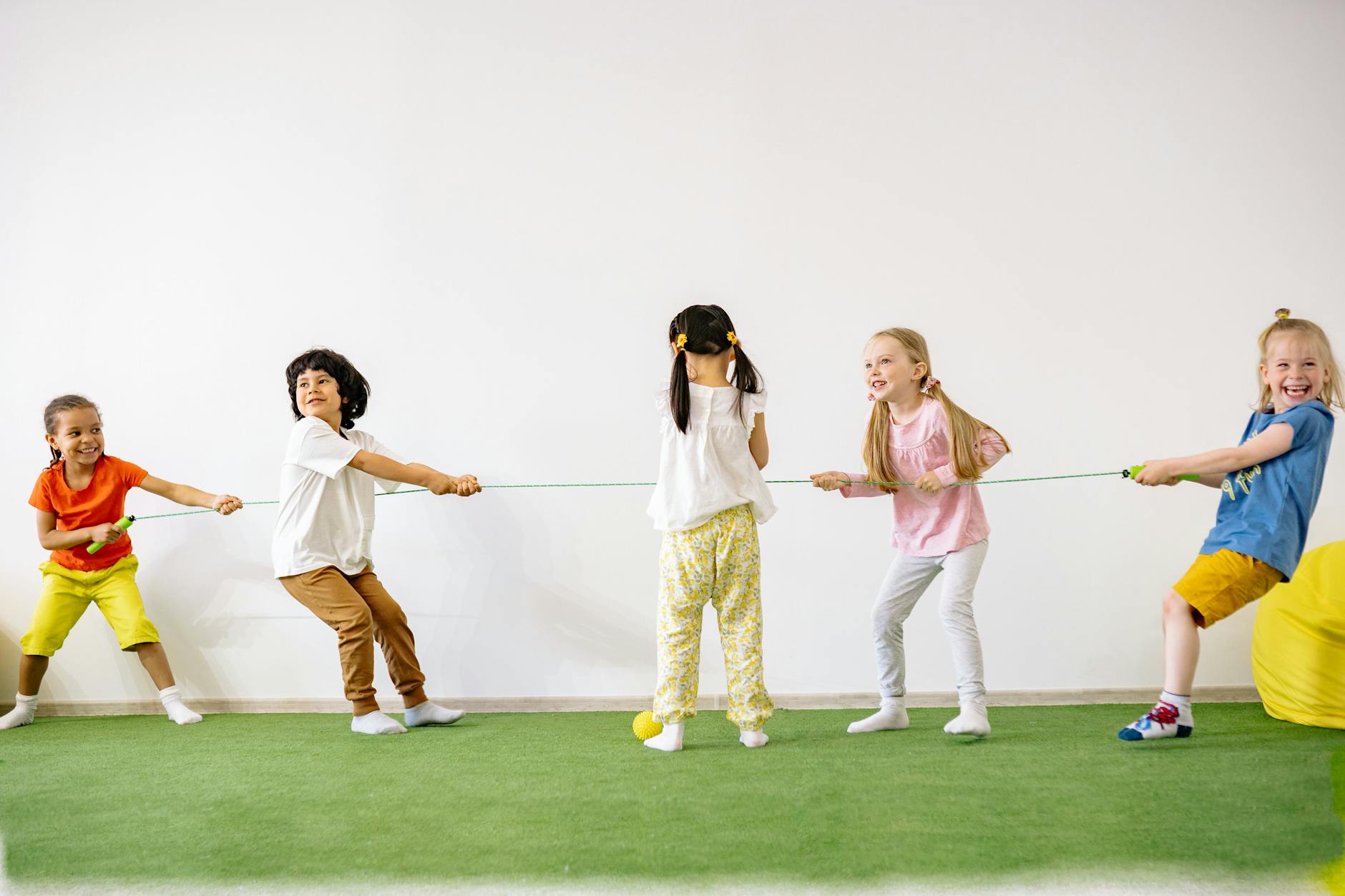
Collaboration lies at the heart of PBL, and early years settings provide the perfect environment for young children to learn the value of working together. Through collaborative projects, children learn to share ideas, negotiate roles, and solve problems as a team. Whether they’re building a cardboard castle or putting on a puppet show, children develop essential social skills such as empathy, cooperation, and conflict resolution. PBL projects provide opportunities for children to express themselves verbally, share their thoughts and ideas, and listen actively to their peers, thereby enhancing their communication skills from an early age.
PBL projects create meaningful connections between academic concepts and the real world, making learning relevant and meaningful to young children. Whether they’re learning about shapes and patterns through art projects or exploring concepts of sustainability through nature-based activities, children see the practical applications of what they’re learning and develop a deeper understanding of the world around them. These authentic learning experiences not only foster a sense of curiosity and wonder but also lay the foundation for future academic success.
PBL provides young children with ample opportunities to unleash their creative potential. Whether they’re designing a marble run or inventing a new game, children are encouraged to think outside the box, take risks, and explore new possibilities. PBL projects nurture children’s creativity by providing them with the freedom to experiment, make mistakes, and learn from their experiences. By fostering a culture of creativity and innovation from an early age, PBL prepares children to become lifelong learners and problem solvers in an ever-changing world.


Leave a Reply