In a world where academic achievement often takes precedence over everything else, it’s easy to forget the simple joys of childhood: the sound of laughter as children play, the thrill of discovery as they explore the world around them, and the freedom to imagine without constraints. Yet, increasingly, young children are being forced into academic pursuits long before they are developmentally ready, leaving little time for play, exploration, and discovery.
The pressure for children as young as four years old to read and write is becoming alarmingly common. Parents, driven by a desire for their children to excel academically, enrol them in rigorous programmes or push them to achieve milestones that may not align with their developmental stage. However, research has consistently shown that such high expectations can have negative consequences on children’s well-being and development.
At the age of four, children are still in the early stages of developing their fine motor skills, which are crucial for tasks such as writing. Expecting them to write at this age not only places a lot of pressure on them but also disregards their developmental readiness. It’s like expecting a toddler to participate in a marathon– the expectations simply don’t align with their capabilities.
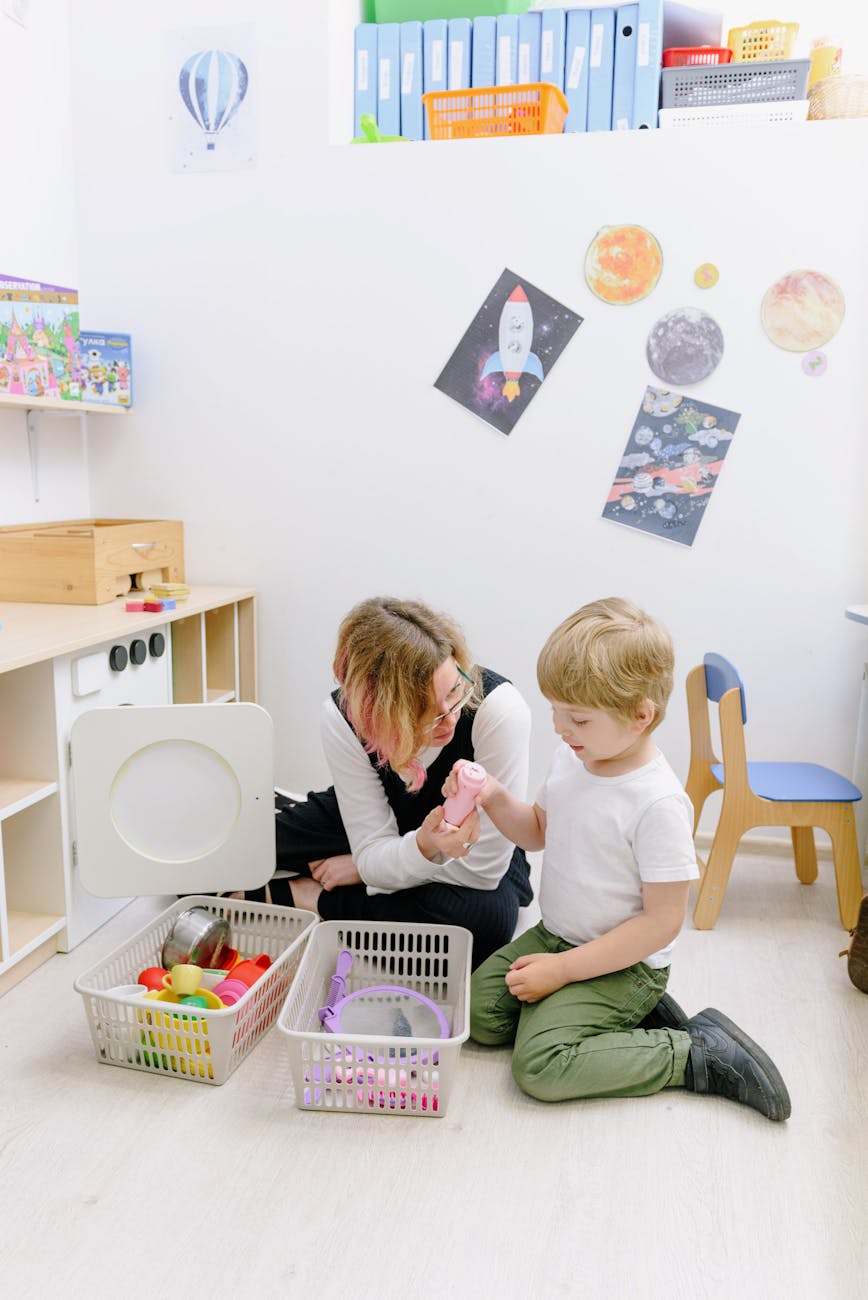
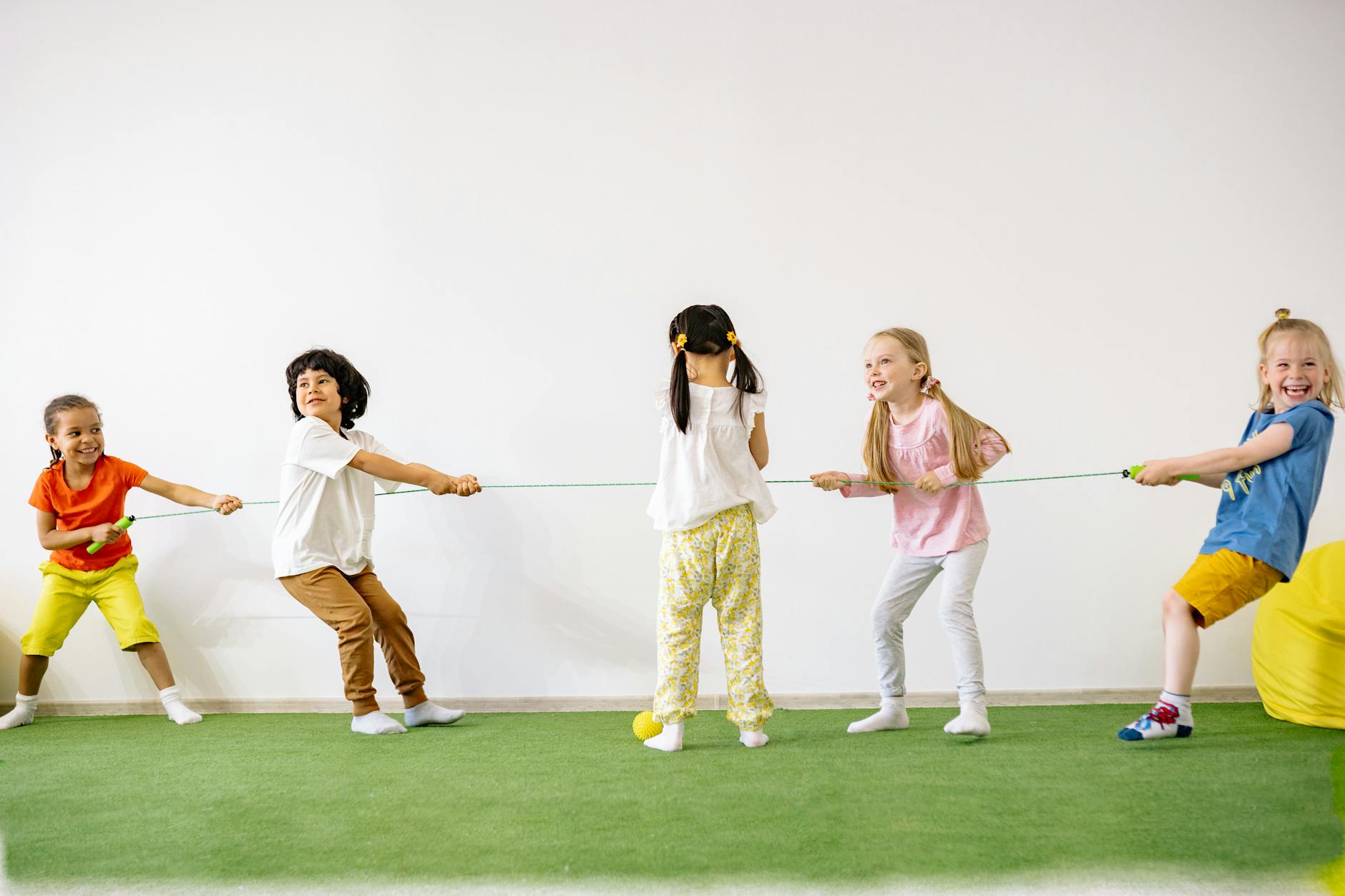
The emphasis on academic achievement at such a young age neglects the importance of play in early childhood development. Play is not just a frivolous pastime, it’s how children learn about the world, develop social skills, and foster creativity. When children are denied the opportunity to play and explore, they miss out on crucial learning experiences that can’t be replicated in a classroom setting.
Childhood should be a time of wonder, curiosity, and joy – a time when the world is full of endless possibilities waiting to be discovered. Yet, when we burden our little ones with academic expectations beyond their years, we rob them of the precious moments that make childhood magical.
It’s time to shift our perspective and prioritise the well-being of our children over academic achievement. Instead of obsessing over reading and writing at the age of four, let’s allow children to play, explore, and investigate the world around them. Let’s create environments where their imaginations can flourish, and their natural curiosity can be nurtured.
Parents and schools must recognise the importance of play in early childhood development and advocate for policies and practices that support it. This means resisting the temptation to push children to meet academic standards set without clear reason or purpose instead of providing them with opportunities for unstructured play and exploration.
In doing so, we can ensure that children are given the chance to experience the joys of childhood – the laughter, the wonder, and the freedom to simply be kids. After all, childhood is a precious time that should be cherished and protected, not hurried along in pursuit of academic excellence. Let’s give our children the gift of play and let them be children for as long as possible.


Leave a Reply