Innovative approaches in early years teaching are essential for nurturing the diverse talents and abilities of young learners. By embracing creativity, flexibility and a child-centred approach, educators can create enriching learning experiences that lay a strong foundation for future success. By continually exploring and implementing innovative strategies, we can ensure that every child receives the support and encouragement they need to thrive in today’s ever-evolving world. Unlike traditional teaching methodologies, which often rely on rote memorisation and standardised assessments, innovative approaches prioritise experiential learning, creativity and critical thinking. These approaches recognise the individuality of each child and seek to cultivate their innate curiosity and passion for learning.

The adoption of innovative approaches in early years teaching offers numerous benefits for both educators and young learners. Firstly, it promotes active engagement and participation, as children are encouraged to explore, experiment and discover knowledge through hands-on activities. This not only enhances their understanding of concepts but also fosters a love for learning that extends beyond the classroom. Additionally, innovative approaches foster the development of essential skills such as problem-solving, communication, collaboration, and resilience, which are increasingly valued in today’s dynamic world.
Several effective strategies can be employed to integrate innovative approaches into early years teaching:
1. Project-Based Learning: Engaging children in long-term projects that involve research, planning, collaboration, and reflection promotes deep learning and real-world application of knowledge. Projects can be tailored to children’s interests and can cover a wide range of topics, from science and technology to arts and culture.
2. Inquiry-Based Learning: Encouraging children to ask questions, investigate, and seek answers fosters curiosity and critical thinking skills. Teachers can facilitate inquiry-based learning by providing opportunities for hands-on exploration, conducting experiments, and engaging in discussions that stimulate curiosity.
3. Design Thinking Model: Guiding children through the design thinking process cultivates creativity, problem-solving and empathy. By immersing themselves in real-world challenges, children develop a deep understanding of problems and empathise with those affected. Design thinking empowers children to tackle complex problems by encouraging collaboration, communication and critical thinking. This approach fosters a sense of agency and resilience as children navigate the iterative process, ultimately preparing them to become adaptable and innovative thinkers in our ever-changing world.
4. Technology Integration: Appropriately integrating technology into early years teaching can enhance learning experiences and prepare children for the digital age. Interactive educational apps, multimedia resources, and digital tools can be used to reinforce concepts, facilitate communication, and spark creativity.

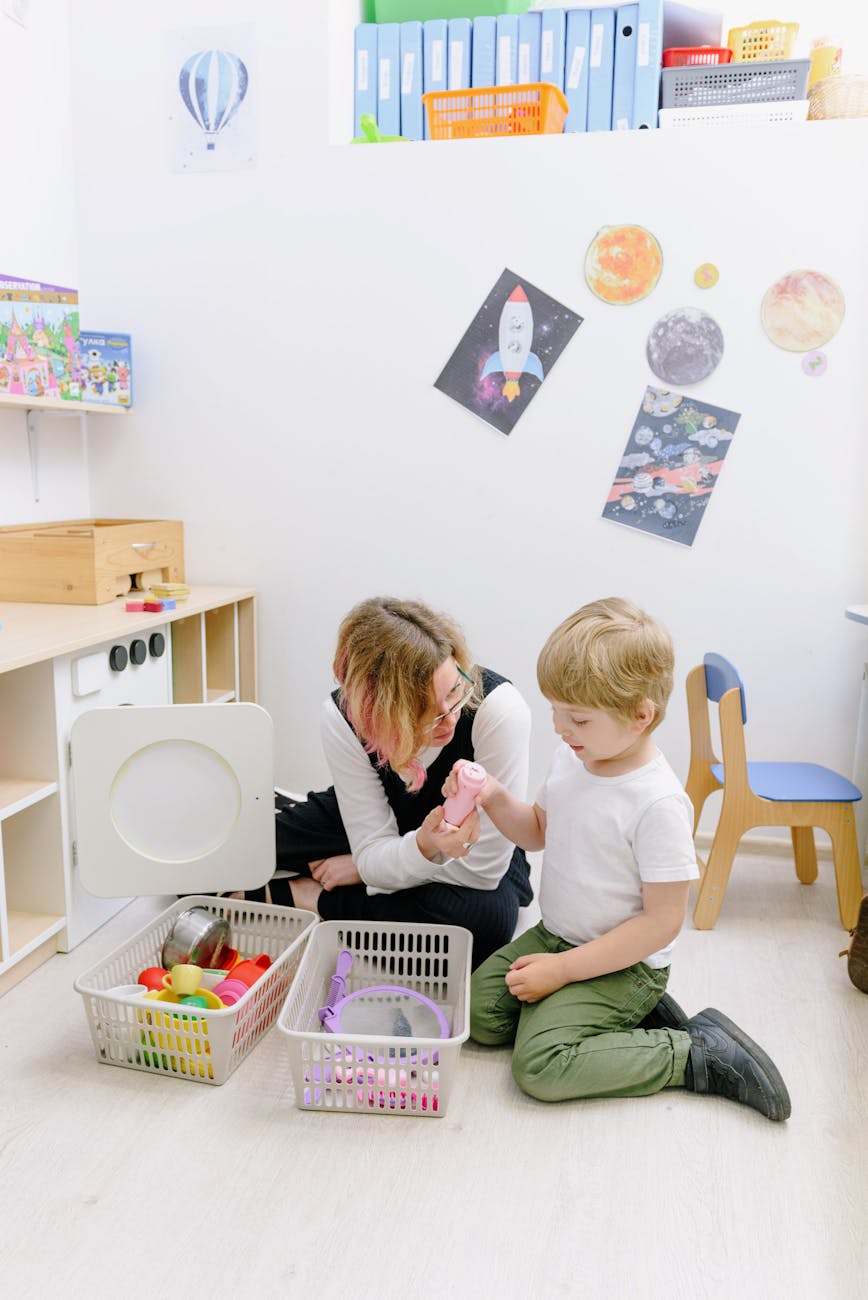
5. Open-Ended Learning Areas: creating open-ended learning environments provides children with opportunities for exploration, creativity and self-directed learning. These spaces are designed to be flexible and adaptable, allowing children to follow their interests and engage in activities that spark curiosity and imagination. By offering a variety of materials, tools and resources, open-ended learning areas encourage experimentation and problem-solving. Children are free to manipulate materials, collaborate with peers, and make their own discoveries, promoting independence and confidence in their abilities. In these environments, educators serve as facilitators, observing children’s interests and providing support as needed, fostering a sense of agency and ownership over their learning journey.
6. Drawing Club: ” Drawing Club puts you, the creative teacher, back at the centre of your teaching – no scheme, no syllabus, no set texts, but freedom to adventure with the concept and bring yourself and the world of story to life.
– Immerse children in the world of story and show them the joy of who you are
– Share a treasure trove of vocabulary with children to open up the playground of language to them
– Give yourself the opportunity to create a library of progress that can be astonishing
– Develop children’s creativity and imagination to show them that they are extraordinary
– Give your children age-appropriate practice that is highly engaging and grounds children in the joy of book snuggling. ” (canIgoandplaynow.com)

7. Thinking Frames: “Thinking Frames can be used with objects and images as well as text with all age groups and across all subject areas. They help create more space in working memory as students can visualise and see their thinking clearly reflected back to them e.g. sequencing the key events and then being able to prioritise key moments. ” (thinkingmatters.com)



Leave a Reply