Schools, kindergartens, preschools, nurseries around the globe are embracing innovative practices that transform traditional learning environments into dynamic spaces that nurture creativity, critical thinking, and holistic development. These groundbreaking approaches are redefining how we educate young children, setting the stage for lifelong learning and success. These innovative practices reflect a global commitment to creating learning environments that honour the uniqueness of each child.
Reggio Emilia: Italy
Originating in the town of Reggio Emilia, Italy, this educational philosophy emphasises child-centred, experiential learning. Classrooms are designed to be rich, interactive environments where children are encouraged to explore and express themselves. Teachers act as co-learners and collaborators rather than traditional instructors. The Reggio Emilia approach focuses on fostering children’s natural curiosity and creativity through project-based learning and the use of a wide range of expressive languages, including art, music, and drama. You can visit Reggio Emilia and experience first hand this unique approach.

Forest Schools: Scandinavia
In countries like Denmark, Sweden, and Norway, forest schools have become a popular model for early childhood education. These programs emphasise outdoor learning and play, allowing children to spend the majority of their school day in natural environments. The forest school approach promotes physical health, environmental stewardship, and resilience. Children engage in activities such as building shelters, foraging, and observing wildlife, which help them develop problem-solving skills and a deep connection to nature.
Play-Based Learning: New Zealand
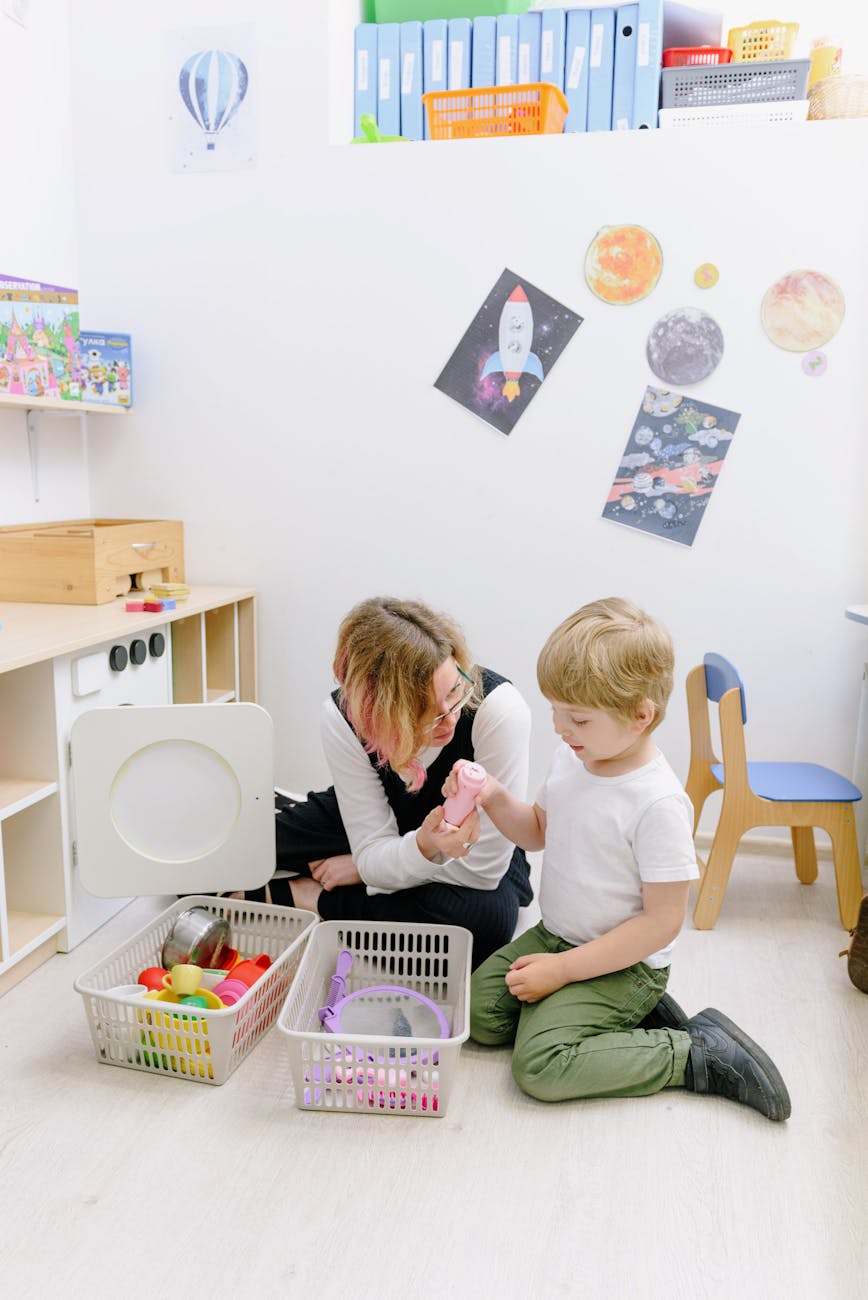
New Zealand’s early childhood education system is renowned for its emphasis on play-based learning. The Te Whāriki curriculum framework supports a holistic approach, where learning is seen as a complex process of exploration and interaction with people, places, and things. Educators focus on the child’s interests and strengths, integrating cultural heritage and community values into the learning experience. This approach nurtures children’s emotional, social, and cognitive development in a supportive and inclusive environment.
STEAM Education: Singapore
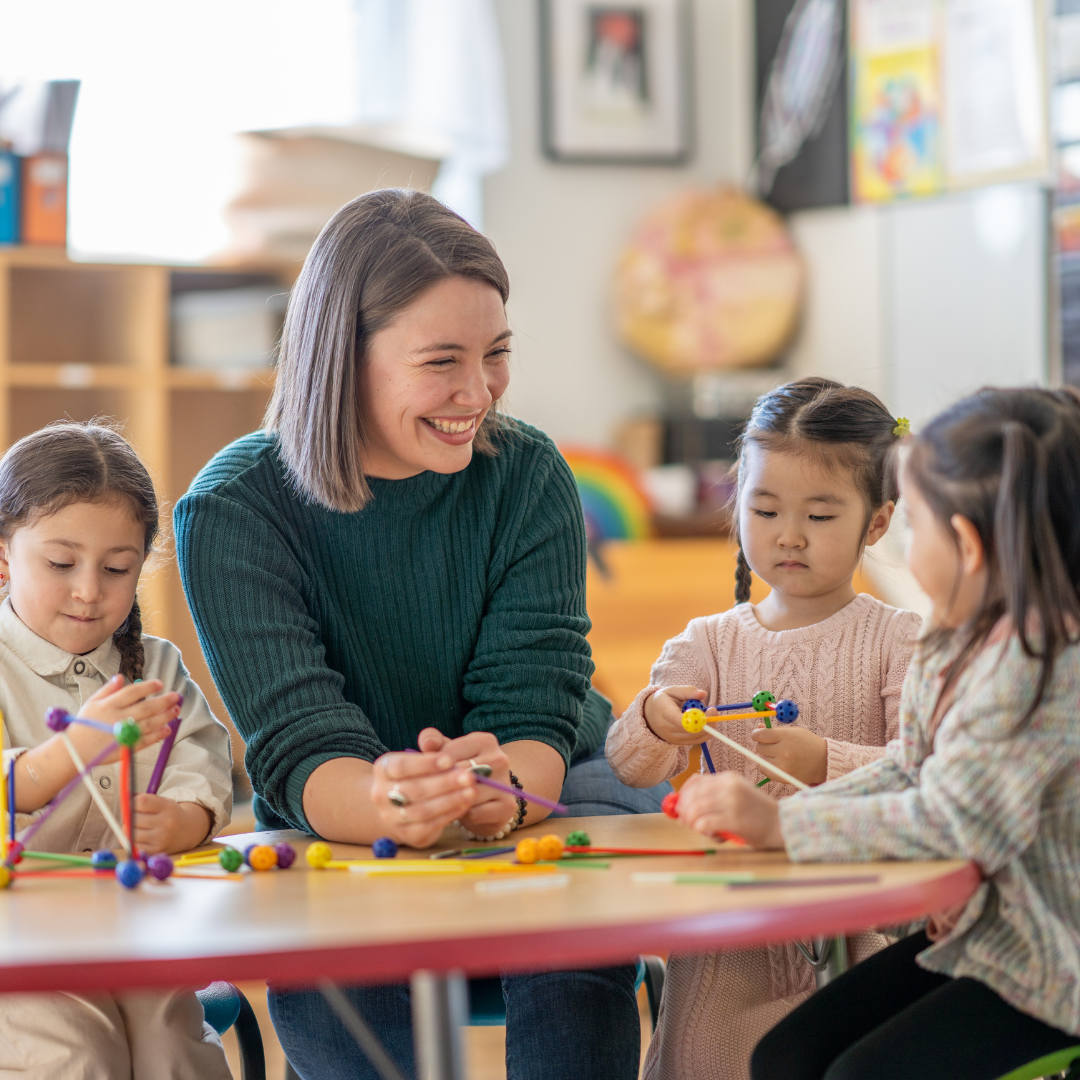
Singapore’s early childhood education system is integrating STEAM (Science, Technology, Engineering, Arts, and Mathematics) into its curriculum to prepare children for a rapidly changing world. STEAM-based activities encourage exploration and experimentation, fostering a love for learning and innovation. By introducing complex concepts in an accessible and engaging way, Singaporean schools are equipping young learners with the skills they need to thrive in the 21st century.
Bilingual Education: Canada
Canada’s bilingual education programs are pioneering efforts to equip young children with proficiency in multiple languages from an early age. In regions like Quebec and British Columbia, schools offer immersive bilingual programs where children learn in both English and French. This dual-language approach not only enhances cognitive abilities but also promotes cultural awareness and sensitivity. Early exposure to multiple languages has been shown to improve brain development and academic performance in later years.
Project-Based Learning: Worldwide
Project-based learning (PBL) has gained traction as an innovative practice in early childhood education. Schools implementing PBL encourage children to engage in long-term projects that integrate multiple subject areas. This method promotes critical thinking, collaboration, and real-world problem-solving. By working on projects that are meaningful and relevant to their lives, children develop a deeper understanding of concepts and a greater sense of ownership over their learning.

Leave a Reply