In the early years of childhood, nurturing curiosity and inquiry lays the foundation for a lifelong love of learning. By creating stimulating environments, encouraging questioning, and embracing hands-on experiences, educators can ignite children’s curiosity and foster a sense of wonder. Through storytelling, inquiry-based learning, and modelling curiosity, educators empower children to become active participants in their own learning journey, equipping them with the skills and mindset needed to thrive in an ever-changing world. Here are some strategies to promote curiosity and inquiry in the early years.

Create an Environment of Wonder
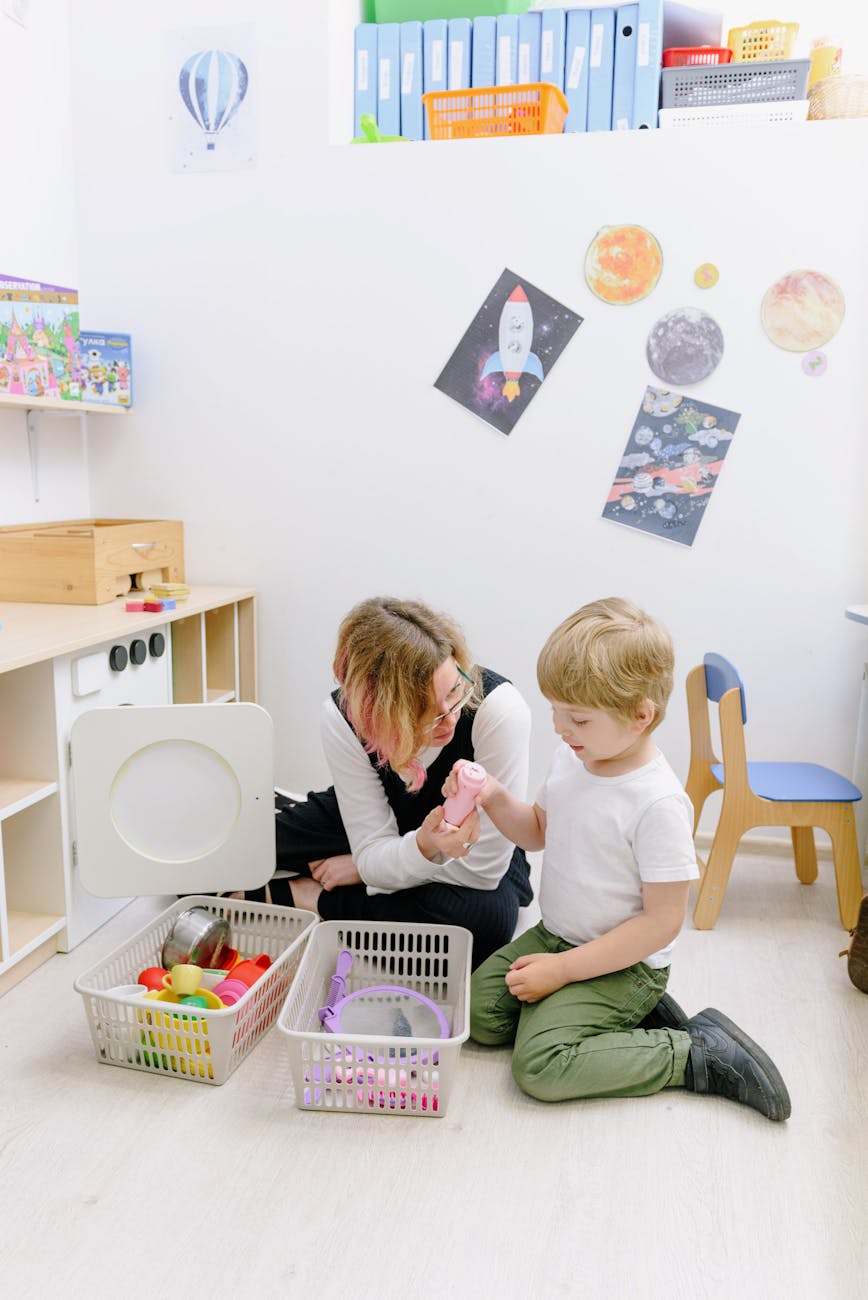
- The physical space where children spend their time greatly influences their curiosity. Design classrooms and play areas with stimulating materials, such as natural objects, open-ended toys, books, and art supplies. Incorporate elements that spark wonder and invite exploration, such as sensory bins, magnifying glasses and discovery tables. A rich environment encourages children to ask questions and seek answers.
Encourage Questioning
- Encourage a culture of inquiry by welcoming and valuing children’s questions. Instead of providing immediate answers, respond with further questions that prompt critical thinking and exploration. Encourage children to wonder aloud, speculate, and share their thoughts. By nurturing their natural curiosity, educators empower children to become active participants in their own learning journey.
Follow Children’s Interests
- Pay attention to children’s interests and passions and use them as starting point for learning experiences. Whether it’s dinosaurs, space or bugs, tailor activities and projects to align with what captures their curiosity. By building on their existing interests, educators can deepen engagement and motivation, fostering a love for learning that extends beyond the classroom.
Embrace Hands-on Learning
- Provide opportunities for hands-on exploration and experimentation. Engage children in activities that allow them to touch, manipulate, and investigate objects firsthand. Whether it’s mixing colours, building structures or exploring nature, hands-on experiences stimulate curiosity and promote deeper understanding. Encourage messy play and experimentation, celebrating both successes and failures as valuable learning opportunities.
Foster a Growth Mindset:
- Promote a growth mindset by praising effort, persistence, and resilience rather than innate ability. Encourage children to embrace challenges and view mistakes as opportunities for learning and growth. Create a supportive environment where children feel safe to take risks and explore new ideas without fear of judgment. By cultivating a growth mindset, educators empower children to approach learning with curiosity and enthusiasm.
Incorporate Storytelling and Inquiry-Based Learning:
- Use storytelling as a powerful tool for sparking curiosity and igniting imaginations. Share stories that provoke questions, inspire wonder and invite discussion. Integrate inquiry-based learning approaches, where children actively investigate and seek answers to their own questions. Provide opportunities for collaborative inquiry, encouraging children to explore together and learn from one another’s perspectives.
Model Curiosity:
- Lead by example and model curiosity in your own attitudes and behaviours. Demonstrate genuine interest in the world around you, asking questions, seeking answers and sharing your own discoveries. Be open to learning alongside children, embracing moments of curiosity and wonder together. By embodying a curious mindset, educators inspire children to follow their natural inclination toward exploration and inquiry.



Leave a Reply