
Project-Based Learning (PBL) is a powerful approach where children learn by actively engaging in real-world and meaningful projects. This method is becoming increasingly popular in early years education, as it encourages young children to explore, question, and discover, making learning more dynamic and enjoyable.
Why Use PBL in Early Years?
Project-Based Learning (PBL) captivates young learners by allowing them to work on projects that genuinely interest them, fostering excitement and enhancing their engagement with the material. This increased interest leads to better retention of information. Moreover, by tackling projects related to real-world issues, children can see the relevance of their learning, which helps them understand the importance and application of their knowledge. Through PBL, children develop a variety of essential skills, including critical thinking, problem-solving, teamwork, and communication, all of which are crucial for their future academic and personal success.
How Does PBL Work in Early Years?
- Starting with a Question: The project begins with a question or a problem that sparks curiosity. For example, “How do plants grow?” or “What can we do to help our local environment?”
- Exploration and Research: Children then explore the topic by observing, asking questions, and gathering information. This can involve hands-on activities, field trips, or discussions with experts.
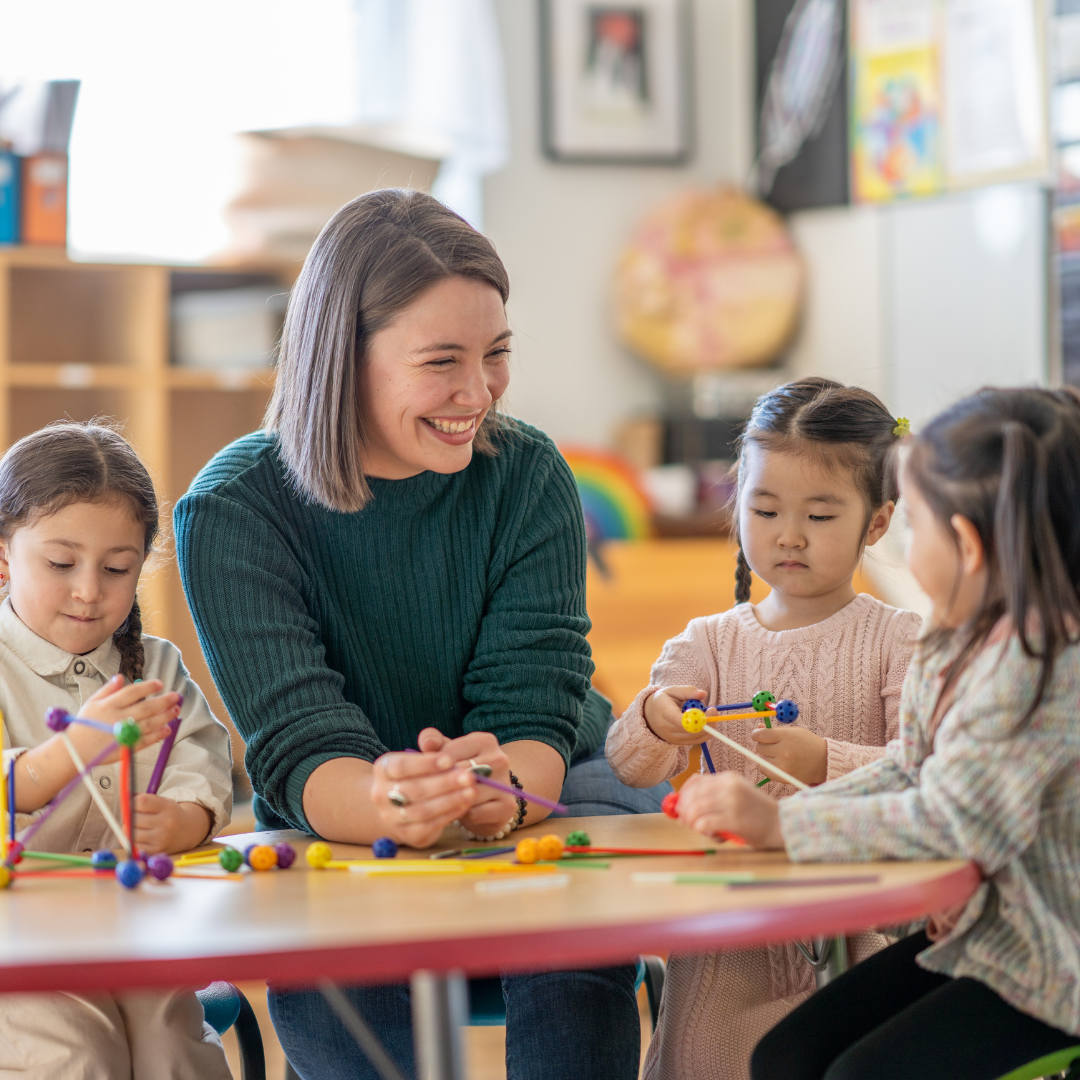
- Creating and Building: Based on their research, children work on creating something tangible, like a model, a presentation, or an artwork. This process allows them to apply what they have learned in a practical way.
- Presentation and Reflection: Finally, children present their projects to their peers, teachers, and sometimes even parents. This step helps them develop their communication skills and boosts their confidence. Reflecting on their work helps them understand what they did well and what they can improve on.
Benefits of PBL in Early Years
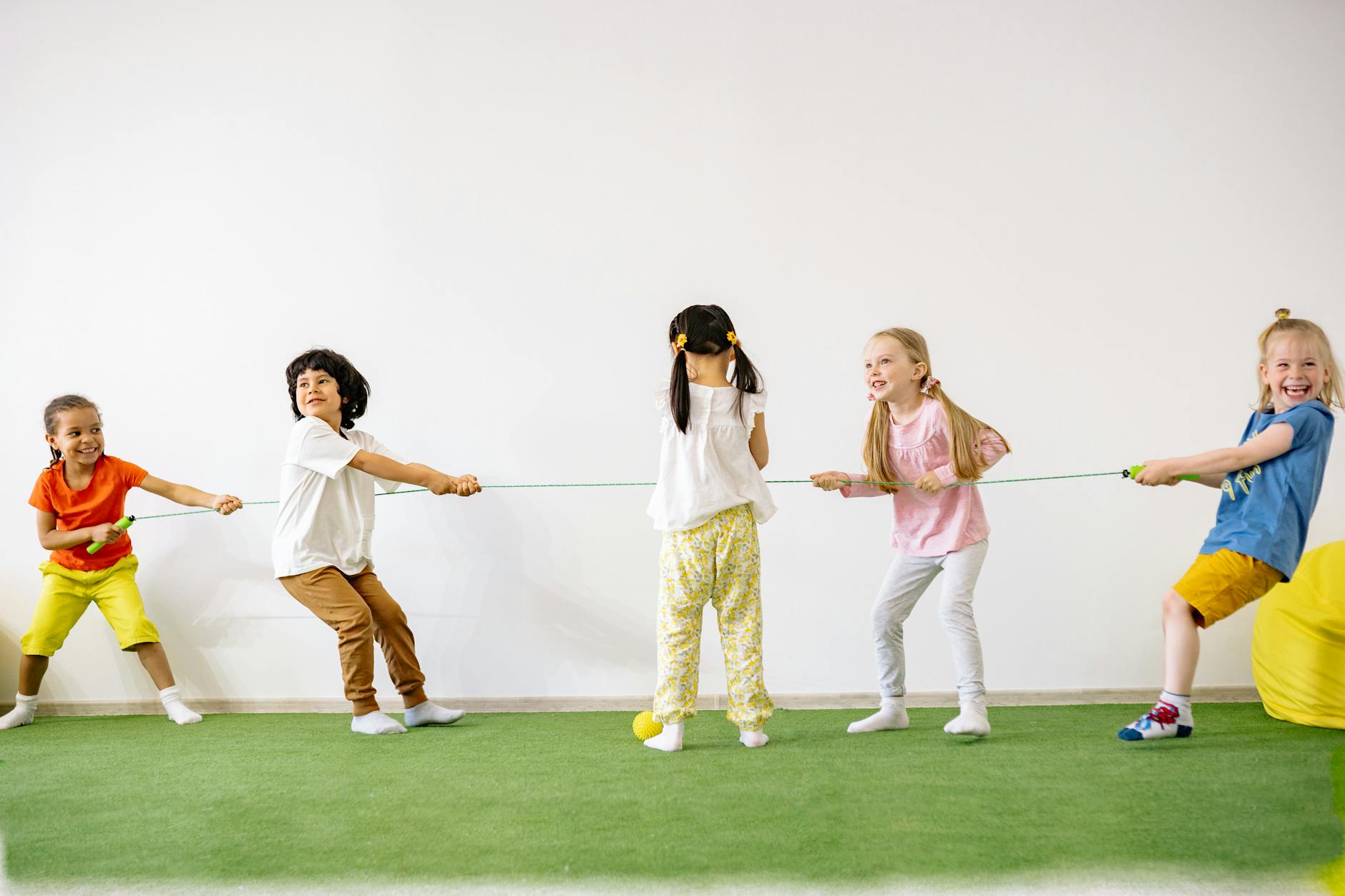
Project-Based Learning (PBL) enhances the learning experience by making it more interactive and enjoyable, leading to better retention as children actively engage in the process. It also fosters the development of independence, as children take responsibility for their learning by making choices, solving problems, and managing their projects, which builds self-confidence. Additionally, PBL improves social skills through collaboration, teaching children to work in teams, share ideas, listen to others, and respect different viewpoints. Furthermore, PBL encourages creativity by allowing children to think outside the box and come up with unique solutions to problems, a skill valuable both in academics and everyday life.

Leave a Reply