
Designing a classroom for early learners is a delicate balance between fostering creativity, ensuring functionality and promoting an engaging learning environment. An effective classroom layout can significantly impact children’s development and learning outcomes. Here are some innovative and practical ways to create an engaging and efficient classroom for young children. By incorporating flexible seating, nature-inspired elements, distinct learning zones, interactive and mobile elements, sensory areas and personalised spaces, educators can design a classroom that nurtures young children’s development and fosters a love of learning.
1. Learning Areas
Idea: Divide the classroom into distinct areas dedicated to different types of activities.
Implementation:
- Creative Area: Equip this area with art supplies, crafting materials and a large table for messy activities.
- Cosy Area: Designate a quiet space with soft seating and books for reading and individual work.
- Imagination Area: Provide toys, blocks, and other manipulatives for imaginative and constructive play.
- Digital Area: Set up a small area with tablets or computers for supervised digital learning activities.
- Innovation Area: Integrate STEM kits, building materials like LEGO and tools for hands-on experimentation.
- Investigation Area: Encourage inquiry with magnifying glasses, nature specimens, measuring tools.
Benefits:
- Helps children transition smoothly between activities.
- Encourages a structured yet flexible learning environment.
- Allows teachers to tailor activities to specific developmental goals.
2. Flexible Seating Arrangements
Idea: Incorporate a variety of seating options to accommodate different activities and learning styles.
Implementation:
- Reading Nooks: Create cozy reading corners with bean bags, cushions, and small bookshelves.
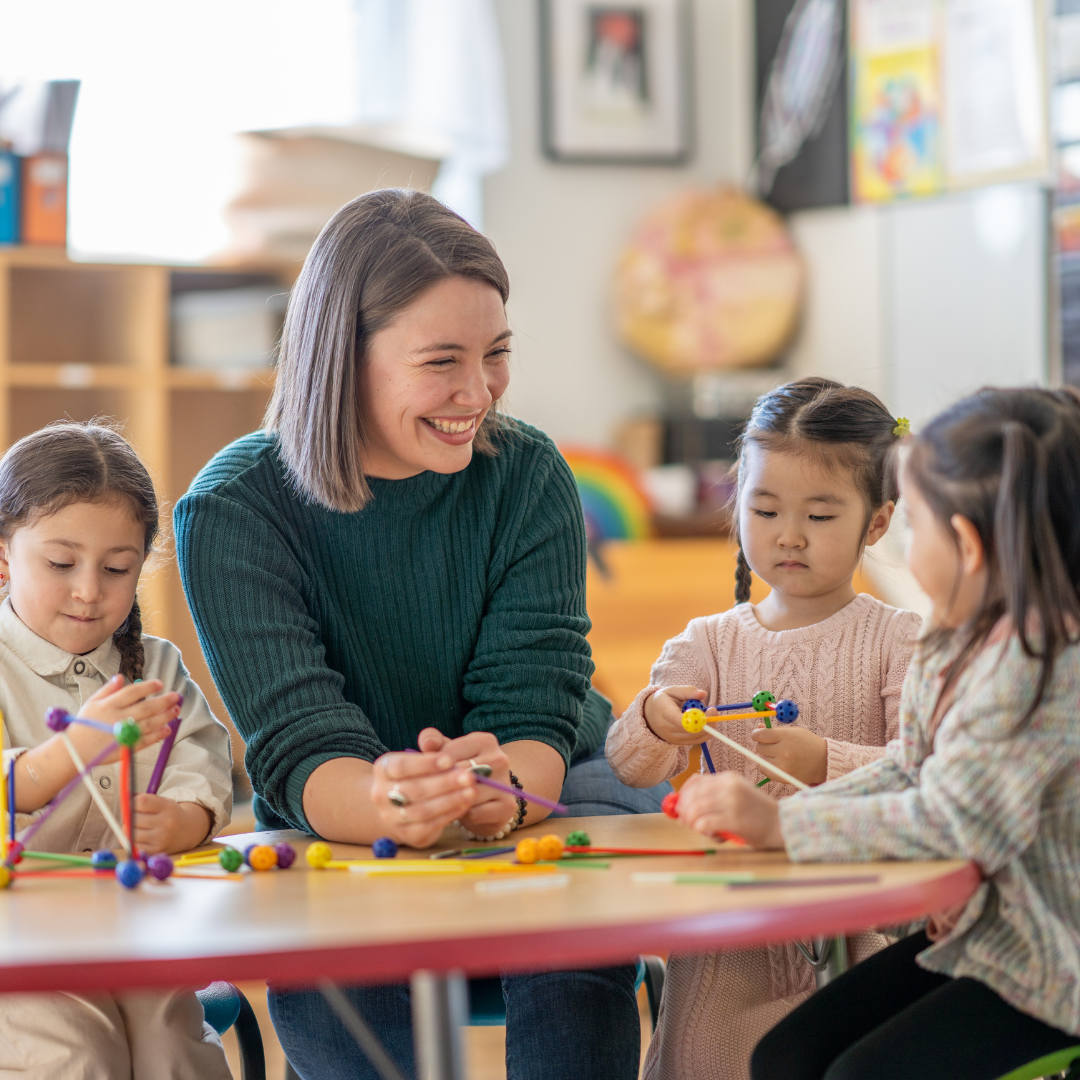
- Group Work Areas: Use round or rectangular tables that allow children to work collaboratively.
- Individual Stations: Provide desks or floor mats for children who prefer working alone.
Benefits:
- Encourages children to choose their preferred learning style.
- Promotes collaboration and social interaction.
- Allows for a dynamic and adaptable learning environment.
3. Nature-Inspired Elements
Idea: Bring elements of nature into the classroom to create a calming and stimulating environment.
Implementation:
- Plants and Greenery: Place potted plants around the classroom to improve air quality and add a touch of nature.
- Natural Light: Maximize the use of windows to let in natural light, and use light curtains to diffuse harsh sunlight.
- Natural Materials: Incorporate wooden furniture, woven rugs, and natural textures to create a warm and inviting space.
Benefits:
- Enhances the aesthetic appeal of the classroom.
- Promotes a sense of calm and well-being.
- Encourages a connection with the natural world.
4. Interactive and Mobile Elements
Idea: Use furniture and resources that can be easily moved and reconfigured to suit different activities.
Implementation:
- Mobile Storage Units: Use wheeled storage carts that can be moved around the classroom as needed.
- Modular Furniture: Invest in modular furniture pieces that can be rearranged to create different setups.
- Interactive Boards: Incorporate whiteboards or chalkboards that children can use for drawing, writing, and problem-solving.
Benefits:
- Increases the versatility of the classroom space.
- Encourages children to take an active role in shaping their learning environment.
- Facilitates a variety of learning activities without the need for major reconfigurations.
5. Sensory and Tactile Areas
Idea: Create dedicated areas that stimulate children’s senses and encourage exploration.
Implementation:
- Sensory Tables: Set up tables with different materials like sand, water, rice, and tactile toys for sensory play.
- Textured Walls: Install panels with different textures (e.g., fabric, rubber, rough surfaces) for children to touch and explore.
- Light and Sound Areas: Include soft lighting, sound machines, and visual stimuli like bubble tubes or projectors.
Benefits:
- Supports sensory development and fine motor skills.
- Provides opportunities for exploratory and hands-on learning.
- Helps children with sensory processing challenges.
6. Personalised Spaces
Idea: Designate areas where children can display their work and personalise their space.
Implementation:
- Display Boards: Install bulletin boards or wall spaces where children can showcase their artwork, projects, and photos.
- Personal Cubbies: Provide individual storage cubbies for children to keep their belongings and treasures.
- Name Tags: Use name tags on desks or storage areas to give children a sense of ownership.
Benefits:
- Boosts children’s self-esteem and sense of pride in their work.
- Encourages responsibility and organisation.
- Fosters a sense of belonging and community within the classroom.

Leave a Reply