Unstructured play is a fundamental component of early childhood development. It nurtures cognitive, social, and emotional growth by allowing children to explore, create, and interact in a natural and engaging way. This type of play is more than just fun—it plays a crucial role in cognitive, social, and emotional development.

How Unstructured Play Supports Cognitive Development
Cognitive development refers to the growth of mental processes like thinking, learning and problem-solving. During unstructured play, children engage in activities that stimulate their brains in various ways:
Creativity and Imagination: Unstructured play allows children to use their imagination. Whether they’re pretending to be superheroes or building imaginary worlds with blocks, this type of play encourages creative thinking and problem-solving. Children learn to think outside the box and explore different solutions to problems.
Decision Making: In free play, children make their own choices. They decide what games to play, what roles to take on and how to resolve conflicts. This decision-making process helps them develop critical thinking skills and learn about cause and effect.
Language Development: When children engage in unstructured play, especially with peers, they use and develop language skills. They negotiate rules, describe their ideas, and tell stories, all of which contribute to their vocabulary and communication abilities.
How Unstructured Play Enhances Social Development
Social development involves learning how to interact with others and understand social norms. Unstructured play provides numerous opportunities for children to build these skills:
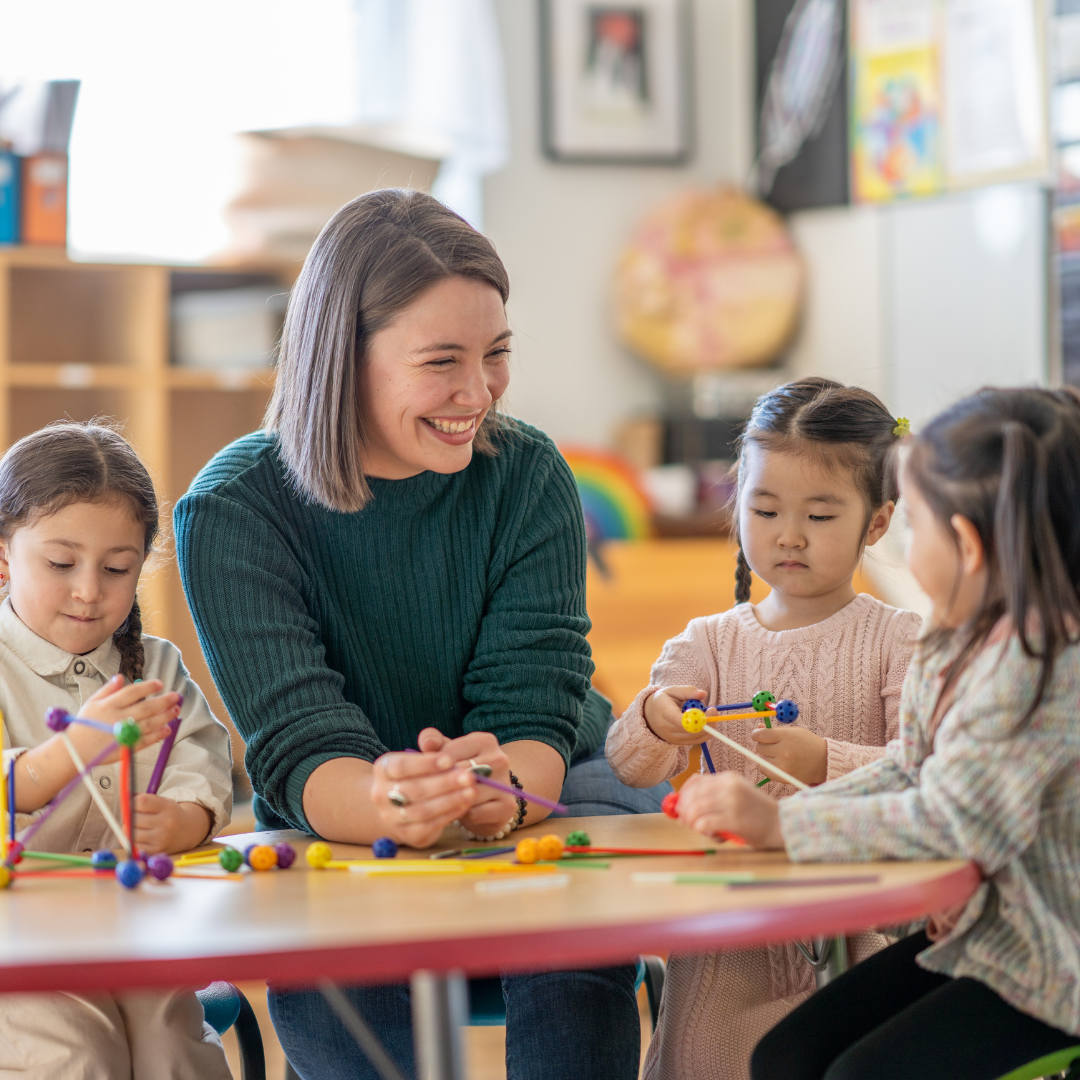
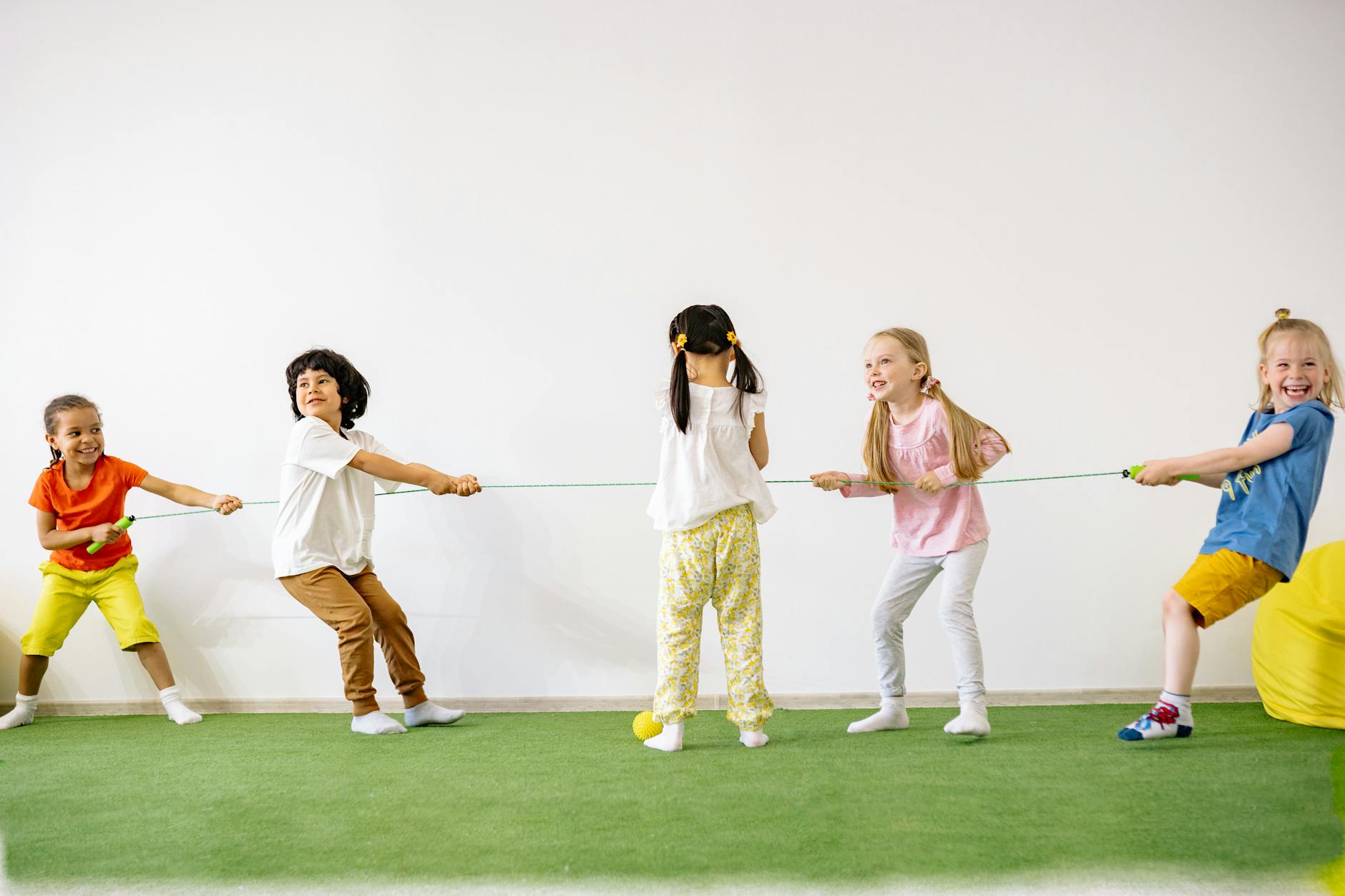
Cooperation and Teamwork: Playing with others helps children learn how to work as a team. They practice sharing, taking turns, and collaborating to achieve a common goal, which are essential social skills.
Conflict Resolution: When disagreements arise during play, children have the chance to negotiate and resolve conflicts on their own. This experience teaches them how to handle social challenges and develop empathy.
Empathy and Understanding: Through role-playing and interacting with peers, children learn to understand and appreciate different perspectives and emotions, which fosters empathy and strong interpersonal relationships.
How Unstructured Play Supports Emotional Development
Emotional development involves understanding and managing one’s feelings. Unstructured play helps children build emotional resilience and self-awareness:
Self-Expression: Free play gives children a safe space to express their emotions and explore different feelings. Whether they’re acting out a story or playing a game, they can express joy, frustration, or excitement in a constructive way.
Confidence and Independence: When children play freely, they gain confidence in their abilities. They learn to take risks, solve problems, and try new things without fear of failure. This boosts their self-esteem and encourages a sense of independence.
Stress Relief: Play is a natural way for children to relieve stress. It provides a break from structured activities and allows them to relax and unwind, which is essential for emotional well-being.
Tips for Creating an Environment that Supports Free Play
To maximise the benefits of unstructured play, it’s important to create an environment that encourages and supports it. Here are some tips:
- Provide a Safe Space: Ensure that the play area is safe and free from hazards. This will allow children to explore and play freely without risk of injury.
- Offer Open-Ended Materials: Provide toys and materials that can be used in multiple ways. Items like blocks, art supplies and costumes allow children to use their creativity and imagination.
- Encourage Outdoor Play: Outdoor spaces offer a variety of sensory experiences and opportunities for physical activity. Activities like climbing, running and exploring nature contribute to a child’s development.
- Limit Screen Time: While digital devices have their place, it’s important to limit screen time to ensure children have ample opportunities for active, unstructured play.
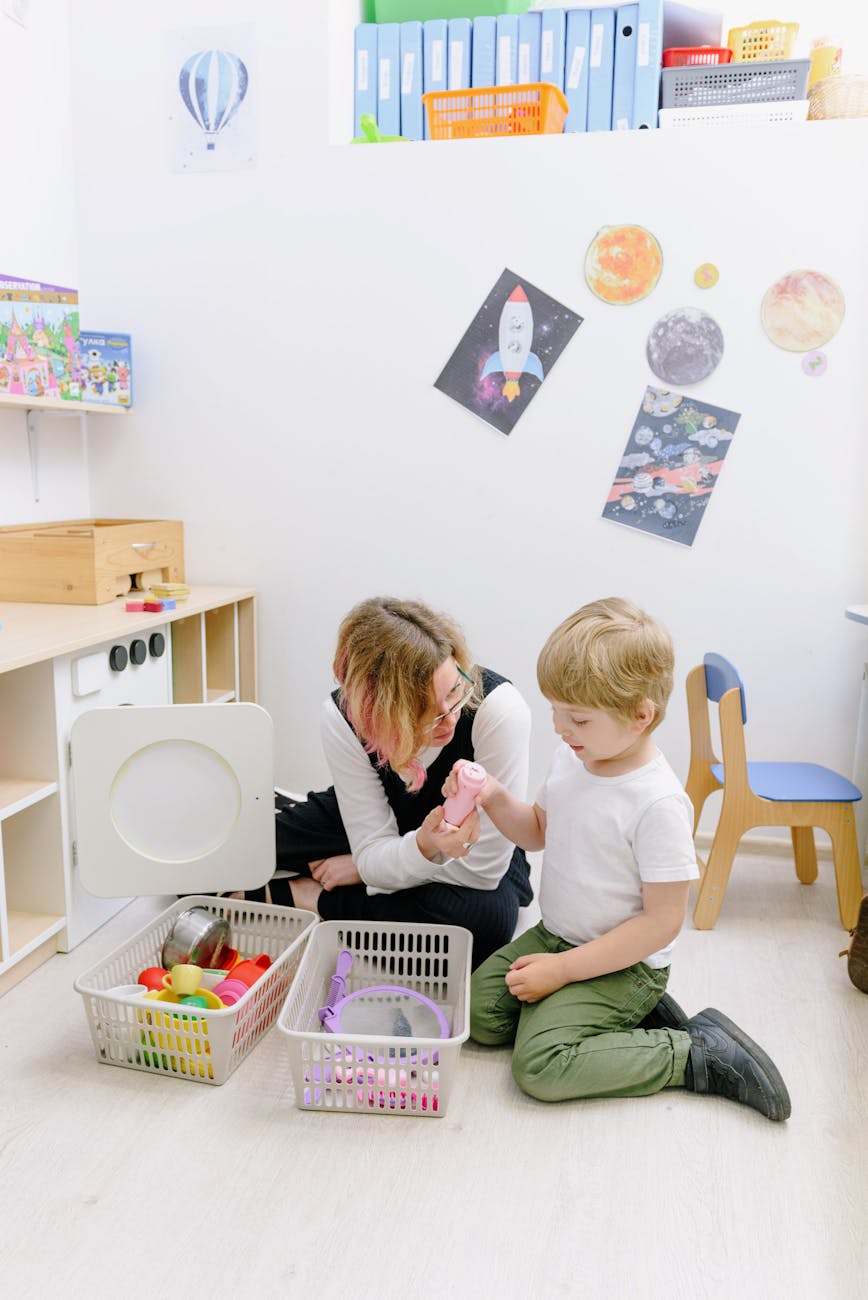
- Support and Supervise, but Don’t Control: Be present and available to guide if needed, but allow children the freedom to lead their play. This balance helps them feel supported while also fostering independence.

Leave a Reply