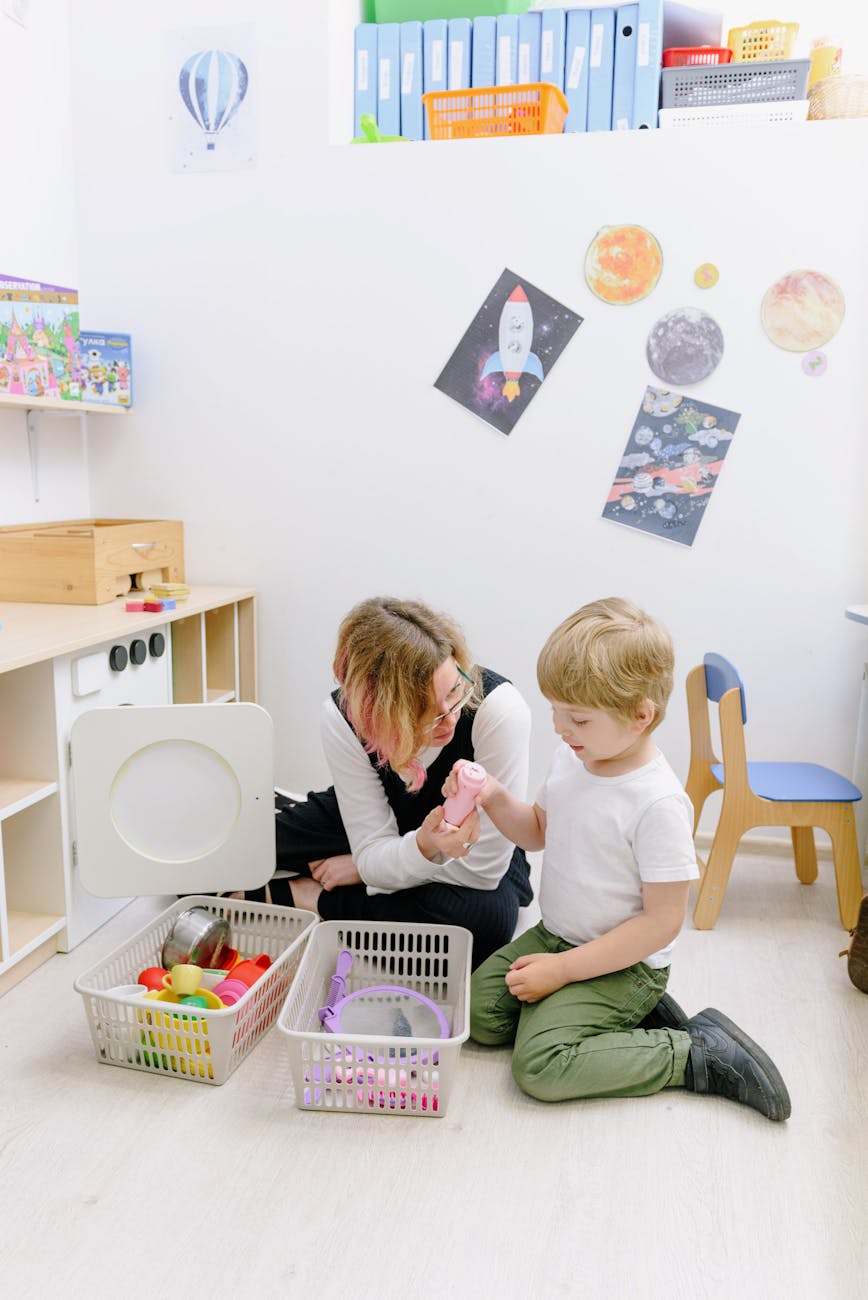
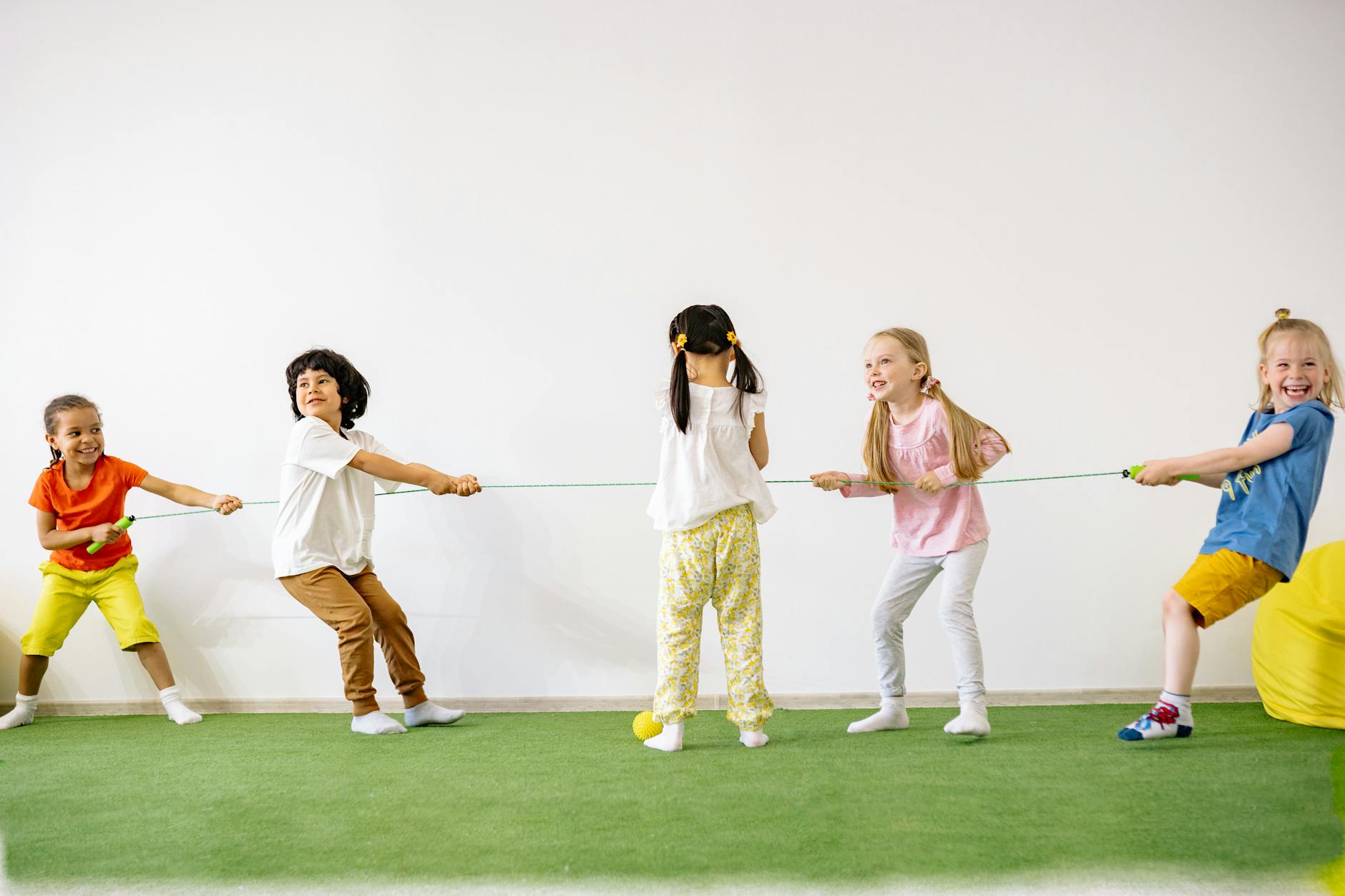
As early years educators, we often encounter a variety of challenging behaviours in our classrooms, particularly during the first term. This period is crucial as children are adjusting to new routines, environments, and expectations. Understanding these behaviours and addressing them in a positive and constructive way can set the foundation for a successful and harmonious school year.
Common Challenging Behaviours in Early Childhood
Tantrums: Young children often express their frustrations through tantrums when they feel overwhelmed or are unable to communicate their needs effectively.
Aggression: Hitting, biting, or pushing are common behaviours as children learn to navigate social interactions. These actions usually stem from frustration or a lack of language skills.
Defiance: Saying “no” or refusing to follow instructions is a way for children to assert their independence. While it can be challenging, it is also a normal part of development.
Separation Anxiety: Some children may have difficulty adjusting to being away from their parents, leading to tears and clinginess at the start of the day.
Difficulty Sharing: Sharing can be particularly hard for young children as they are just beginning to understand the concept of ownership and fairness.
Addressing these behaviours early in the term is key to helping children develop the social and emotional skills they need to thrive.
Here are some strategies:
Model Positive Behaviour: Children learn a lot from watching the adults around them. By modelling calm and respectful behaviour, you demonstrate how to handle emotions and interact with others.
Establish Clear Expectations: At the beginning of the term, set clear, simple rules that are easy for children to understand. Reinforce these expectations consistently.
Use Positive Reinforcement: Praise and reward positive behaviour. This could be through verbal praise, stickers, or extra playtime. Positive reinforcement encourages children to repeat good behaviour.
Teach Emotional Vocabulary: Help children express their feelings by teaching them words like “happy,” “sad,” “angry,” and “frustrated.” When they can name their emotions, they are less likely to express them through challenging behaviours.
Implement Calm Down Techniques: Introduce simple strategies for calming down, such as deep breathing, counting to ten, or spending a few minutes in a quiet corner. Teaching these techniques gives children tools to manage their emotions.
Redirect and Distract: If a child is engaged in a challenging behavior, gently redirect their attention to a different activity or distract them with a new task.
Preventing Behavioural Issues with Proactive Measures
Preventing challenging behaviours is often easier than addressing them after they arise. Here are some proactive measures you can take:
- Build Strong Relationships: Take time at the start of the term to build strong, positive relationships with each child. When children feel secure and understood, they are less likely to exhibit challenging behaviours.
- Create a Predictable Routine: Children feel more secure when they know what to expect. Establish a consistent daily routine, and use visual schedules to help children understand the flow of the day.
- Engage in Active Supervision: Be proactive in supervising children, especially during transition times or when they are engaging in activities that may lead to conflicts.
- Offer Choices: Give children some control over their day by offering choices, such as choosing between two activities. This reduces power struggles and gives them a sense of autonomy.
- Be Aware of Triggers: Identify and minimise situations that tend to trigger challenging behaviours. For example, if a child becomes frustrated during group activities, provide them with a quieter space where they can work independently.
By understanding the root causes of these behaviours and implementing positive, proactive strategies, we can help children develop the skills they need to succeed both socially and emotionally. As educators, our role is to guide them with patience, empathy, and consistency, ensuring that they feel supported and valued in their early learning journey.