In early years education, where every moment matters and each child’s development unfolds in unique ways, the importance of teamwork cannot be overstated. One of the most vital partnerships within the classroom is the one between teachers and teacher assistants (TAs). As we celebrate National Teacher Assistant Day in the UAE, it’s an opportune time to reflect on the indispensable role TAs play in early years classrooms and highlight the teamwork that helps young learners thrive.

The Heartbeat of Early Years Learning
Teacher assistants are often the heartbeat of early years classrooms, contributing to the daily rhythm and overall wellbeing of the children. Their roles extend far beyond assisting teachers with lessons and activities; they are a constant presence in the lives of the children, providing individual care, guidance and attention. For many young learners, TAs are a source of comfort and reassurance as they navigate the early stages of their educational journey.
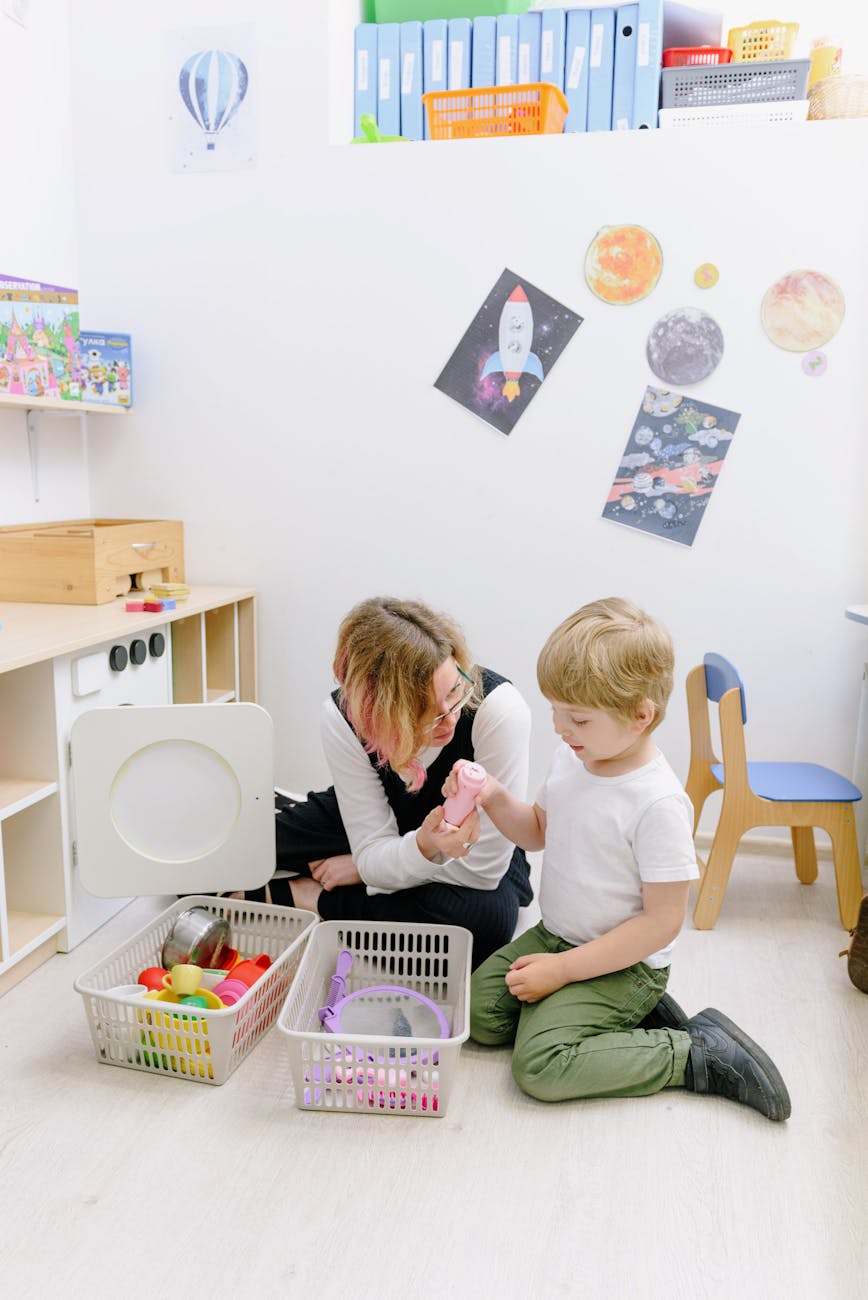
In fact, TAs often work closely with children who require additional support, whether due to special educational needs, emotional challenges, or simply needing more one-on-one time. Their presence ensures that every child in the class receives the attention they need to succeed, which is especially crucial during the formative early years.
Supporting Individual Growth
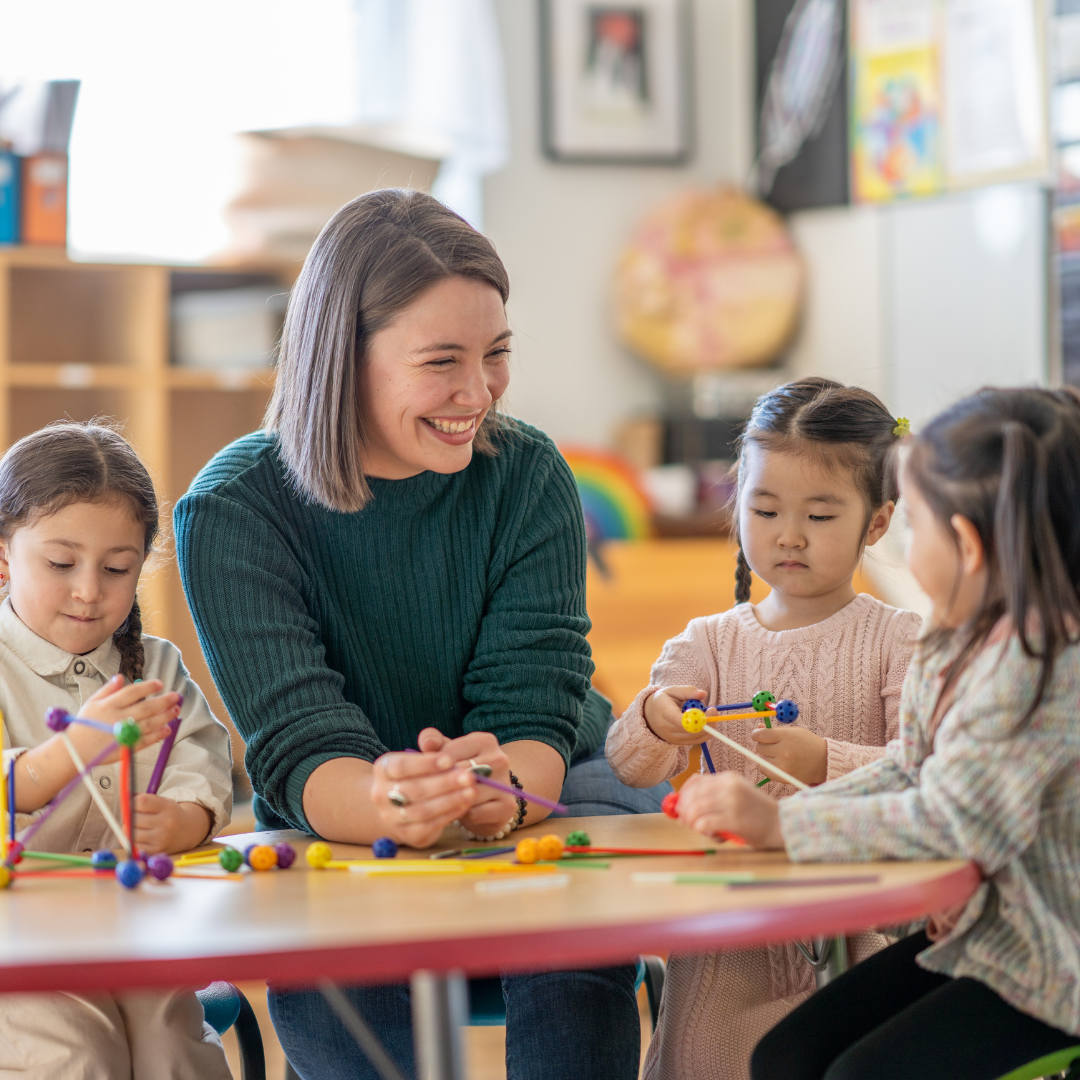
One of the greatest strengths of teacher assistants lies in their ability to provide personalised learning experiences. In a classroom of young children, it can be challenging for teachers to give each child the individual attention they may need. TAs help bridge this gap by working with small groups or individual children, reinforcing lessons, assisting with hands-on activities and supporting children as they build foundational skills such as literacy, numeracy and social interaction.
TAs are often the ones who notice small but significant changes in a child’s development—whether it’s a newfound interest in reading, progress in motor skills, or a breakthrough in social confidence. Their close interactions allow them to provide feedback and insights to the teacher, ensuring that each child’s learning journey is closely monitored and supported.
Creating a Positive Classroom Environment
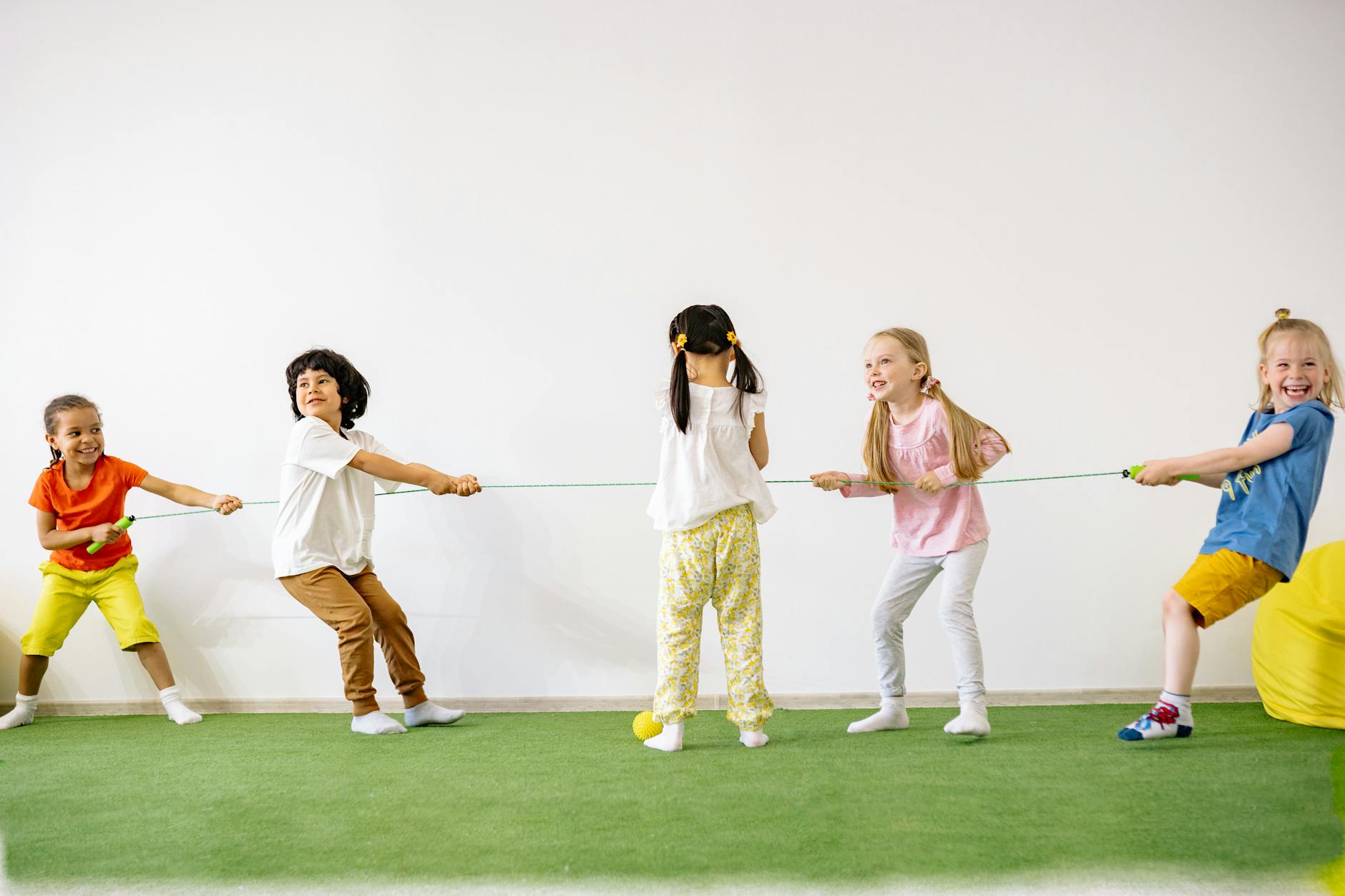
In the hustle and bustle of an early years classroom, teacher assistants play a vital role in maintaining structure and ensuring that routines run smoothly. Whether it’s guiding children during transitions between activities, preparing materials for a lesson, or supporting children during playtime, TAs are key to creating a calm and organised environment where children feel secure and ready to learn.
Equally important is the role TAs play in fostering emotional and social development. In the early years, children are learning not just academic concepts but also how to express their emotions, interact with others and build friendships. Teacher assistants often provide gentle guidance, helping children navigate conflicts, model positive behaviour and build resilience. For many children, TAs become trusted adults who offer emotional support throughout the school day.
The Power of Teamwork
The partnership between teachers and TAs is what truly allows early years classrooms to function effectively. A strong teacher-TA team creates a balanced dynamic where the teacher can focus on higher-level planning and instruction, while the TA provides the hands-on support that makes it all come to life.
Effective teamwork between teachers and TAs means that the classroom can be a more flexible, creative space. When teachers and TAs communicate openly and collaborate on lesson planning, they can come up with innovative strategies to engage all learners, address individual needs, and build a positive learning environment.
The presence of a TA also allows for more responsive teaching. While the teacher may be leading a group activity, the TA can observe and interact with children who may need additional support, ensuring that no child is overlooked. This division of labor is essential in early years education, where the developmental range among children can be wide and individualised attention is key to success.