Starting school is a significant milestone in a child’s life, often filled with excitement, curiosity and sometimes anxiety. For many children, the first few weeks of school represent a major change—new routines, unfamiliar faces and different expectations. In these early days, it’s crucial that emotional safety is prioritised, as it lays the foundation for successful learning and personal growth.
What is Emotional Safety?
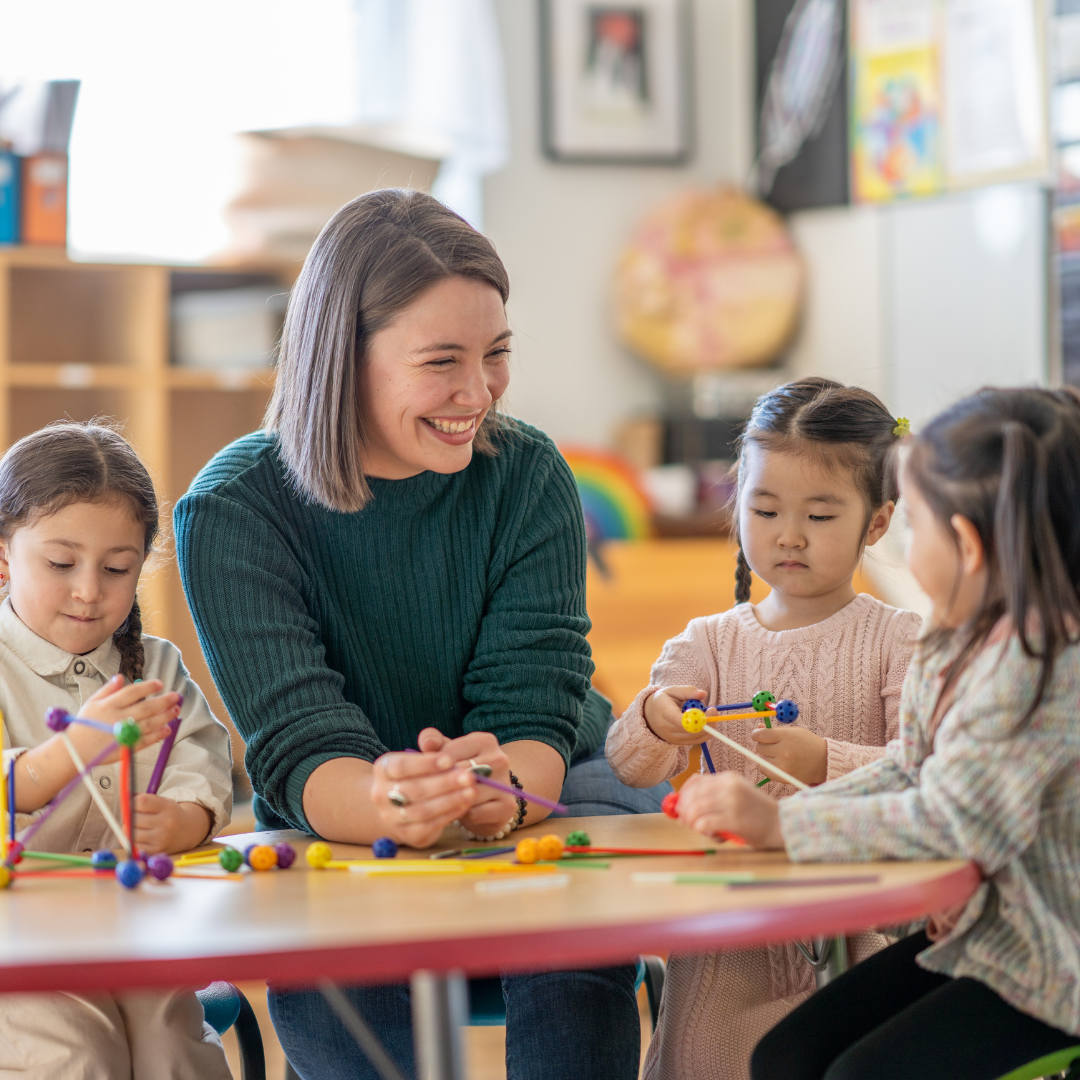
Emotional safety in the classroom means that children feel secure, valued and supported. It is about creating an environment where they feel free to express their thoughts and emotions without fear of judgement or rejection. When children feel emotionally safe, they are more likely to engage in learning, build positive relationships and navigate the school day with confidence.
Why Does Emotional Safety Matter?
The transition into school life can be overwhelming for young children. Being away from home, adjusting to new social dynamics and following unfamiliar rules can trigger stress or anxiety. If these emotions are not addressed, they may impact the child’s ability to focus, learn and interact with their peers.
Prioritising emotional well-being in the early weeks helps children settle in more smoothly. It allows them to form secure attachments with their teachers and classmates, build trust and feel a sense of belonging. Children who feel emotionally secure are more resilient, better equipped to handle challenges and more willing to take risks in their learning.

How to Prioritise Emotional Safety in the First Weeks
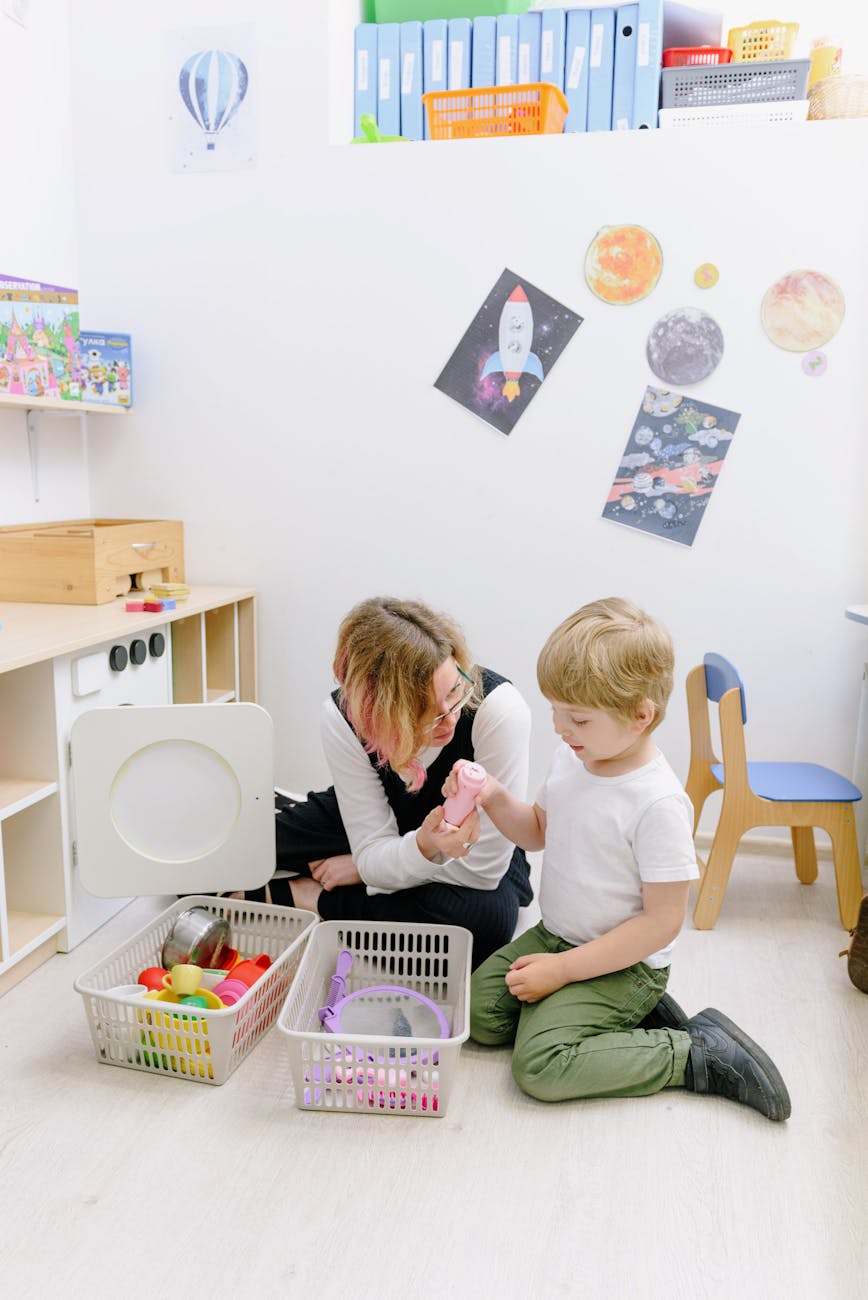
1. Build Relationships: The first step in creating an emotionally safe environment is to establish strong relationships with children. Teachers should take the time to get to know each child individually—what they enjoy, what they are worried about and what helps them feel safe. A warm and welcoming approach can make all the difference.
2. Create Predictable Routines: Routines provide children with a sense of stability and security. When children know what to expect, they feel more in control of their surroundings. Simple routines, such as morning greetings, circle time and regular breaks, help ease anxiety and create a calm, predictable environment.
3. Validate Emotions: It is important to acknowledge and validate the emotions children may experience in the first weeks. Let children know that it’s okay to feel nervous, excited, or even sad about starting school. Encourage open conversations about emotions and provide comfort and reassurance when needed.
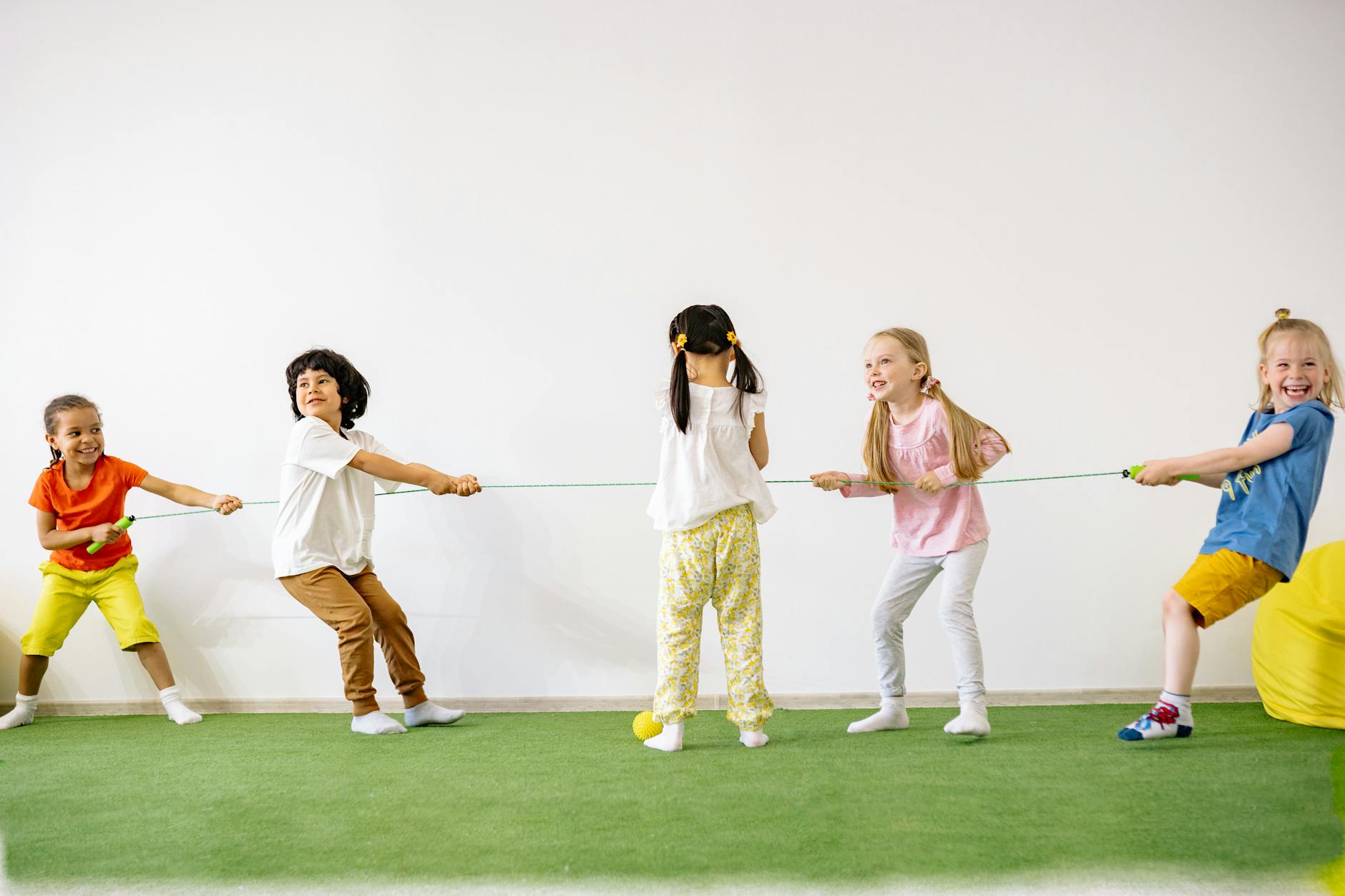
4. Foster a Sense of Belonging: Children are more likely to thrive in a classroom where they feel they belong. Create opportunities for children to work together, share their experiences and support one another. Activities that promote teamwork and collaboration help build a strong sense of community.
5. Encourage Independence, Step by Step: While it’s important to guide children through new experiences, fostering independence is equally vital. Allow children to make choices, solve problems and take small risks within a supportive framework. Gradually building independence helps boost confidence and self-esteem.
6. Incorporate Mindfulness and Relaxation: Incorporating short mindfulness activities or relaxation techniques can help children manage their emotions. Simple breathing exercises, guided visualisations, or quiet reflection times can be very effective in calming anxious feelings and promoting self-regulation.
The Long-Term Impact
By prioritising emotional safety in the first weeks of school, teachers set the tone for the rest of the year. When children feel emotionally secure, they are more open to learning, more cooperative and more willing to explore new ideas. They are also better equipped to handle future transitions or changes, both in and out of the classroom.
Emotional safety is not a luxury, but a necessity in the early weeks of school. It is the foundation upon which children’s academic success and well-being are built. By creating a supportive, nurturing environment, we help children thrive not only in the classroom, but in life.