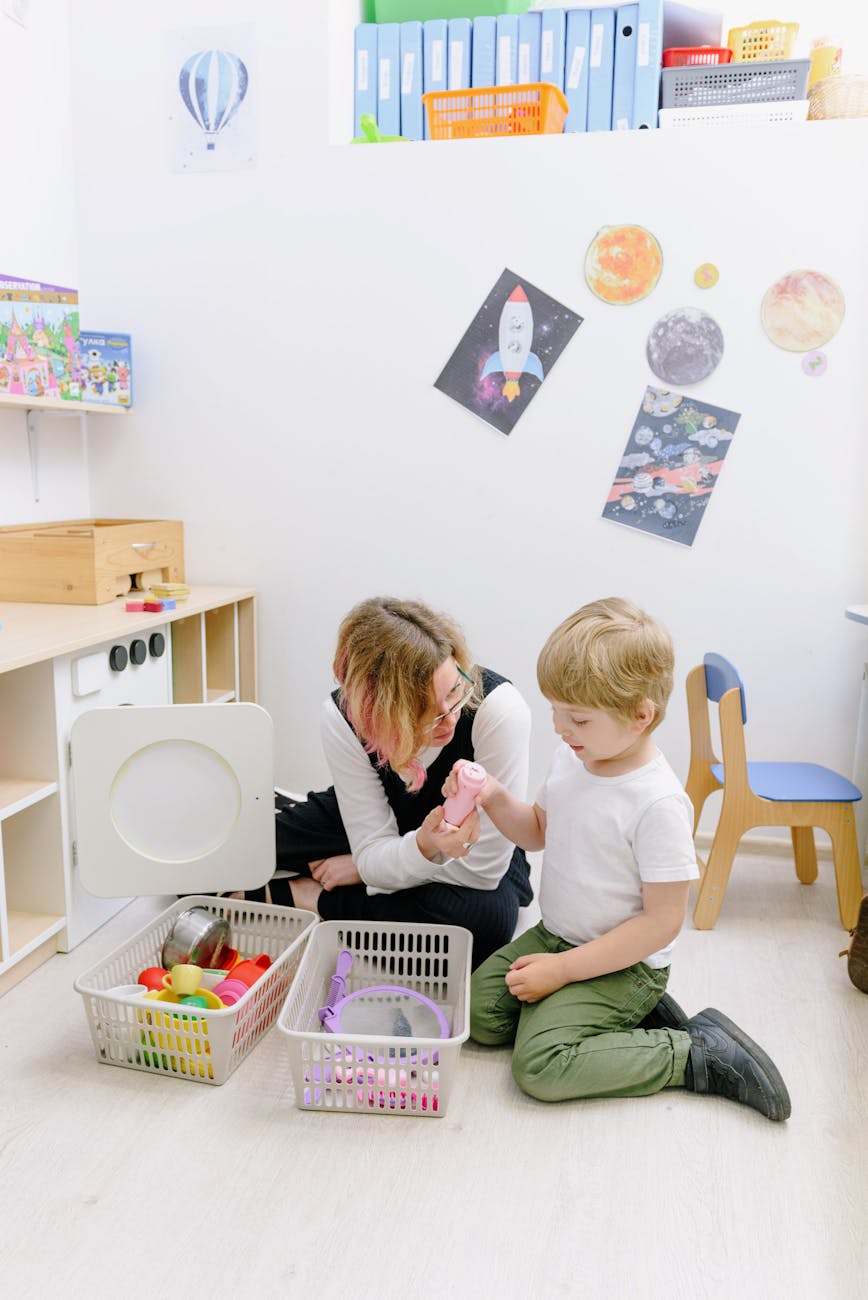
In recent years, early childhood educators have noticed a concerning trend: a decline in fine motor skills among young children. This decline is often attributed to the increasing use of technology, such as tablets and smartphones, which can limit the variety of physical movements children engage in during their formative years. While technology has its place in education, the importance of fine motor skills cannot be overstated. These skills are crucial for everyday tasks and foundational to academic success, yet they are often overlooked in a digital age where touchscreens dominate.

Understanding Fine Motor Skills
Fine motor skills involve the coordination of small muscles in the hands, fingers and wrists, allowing children to perform tasks like holding a pencil, buttoning a shirt, or cutting with scissors. These skills are essential for writing, self-care and even social interaction. Developing fine motor skills also lays the groundwork for cognitive growth, as the act of manipulating objects helps children understand spatial relationships, improve hand-eye coordination, and develop problem-solving abilities.
The Impact of Technology on Fine Motor Skills
With the rise of digital devices, many children spend more time swiping and tapping screens than engaging in activities that promote fine motor development. Tablets and smartphones, while educational and entertaining, often do not provide the same opportunities for hand and finger strengthening that traditional play and hands-on activities do. As a result, educators are noticing that more children are entering school with weaker fine motor skills, which can lead to difficulties in writing, cutting, and other essential tasks.
To counterbalance the effects of technology, it is crucial to encourage children to engage in activities that promote exploration and hands-on learning. These activities not only strengthen fine motor skills but also foster creativity, independence and confidence.
5 Strategies to Develop Fine Motor Skills

- Incorporate Manipulative Play:
- Puzzles and Building Blocks: Encourage children to play with puzzles, LEGO bricks, and other building toys that require them to manipulate small pieces.
- Playdough and Clay: Rolling, pinching, and molding playdough or clay can significantly strengthen hand muscles.
- Beading and Lacing: Activities like stringing beads or lacing cards are excellent for improving hand-eye coordination and finger dexterity.
- Promote Traditional Writing and Drawing:
- Chalk and Crayons: Using chalk on a chalkboard or crayons on paper helps children practice holding writing tools with a proper grip.
- Tracing and Stencils: Provide children with tracing sheets or stencils to practice drawing shapes and letters, which supports pencil control.
- Interactive Journaling: Encourage children to keep a simple journal where they draw or write daily. This practice not only improves fine motor skills but also fosters creativity.
- Engage in Practical Life Activities:
- Buttoning and Zipping: Integrate tasks like buttoning shirts or zipping jackets into daily routines to improve fine motor precision.
- Cutting and Gluing: Offer safe scissors for cutting paper and encourage gluing activities to create collages or other art projects.
- Baking and Cooking: Involve children in cooking tasks that require fine motor skills, such as stirring, pouring, or decorating cookies.
- Encourage Outdoor Play:
- Sand and Water Play: Activities like scooping sand or pouring water help children develop control over hand movements.
- Climbing and Swinging: These activities may seem more related to gross motor skills, but the gripping and grasping involved also benefit fine motor development.
- Nature Exploration: Encourage children to collect small items like leaves, pebbles, or flowers, which requires them to use their fingers delicately.
- Limit Screen Time and Balance with Hands-On Activities:
- Set Daily Screen Time Limits: Balance the time spent on digital devices with hands-on activities that require more diverse hand movements.
- Encourage Non-Digital Games: Board games, card games, and other traditional games often involve the use of fine motor skills and can be a fun way to practice them.
While technology offers many benefits, it is essential to recognise the need for balance, particularly when it comes to the development of fine motor skills in young children. By incorporating a variety of hands-on activities into daily routines, educators and parents can help children build the fine motor skills they need for success in school and beyond. Encouraging exploration, creativity, and practical life skills not only counteracts the impact of screen time but also fosters a well-rounded, healthy development for our children in a tech-saturated world.