Over the years, educators and parents have noticed that children’s social skills are not as strong as they used to be. This is especially evident in the early years of childhood, when children aged 3 to 5 are learning how to interact with others. So, what is causing this decline in social skills? Let’s explore some of the key reasons.

1. Increased Screen Time
One of the biggest changes in children’s lives today is the amount of time they spend on screens. Whether it’s watching TV, playing video games, or using tablets, young children are spending more time in front of screens than interacting with other kids. While technology can be educational, too much screen time reduces the opportunities for children to engage in face-to-face conversations, play and problem-solving with their peers.
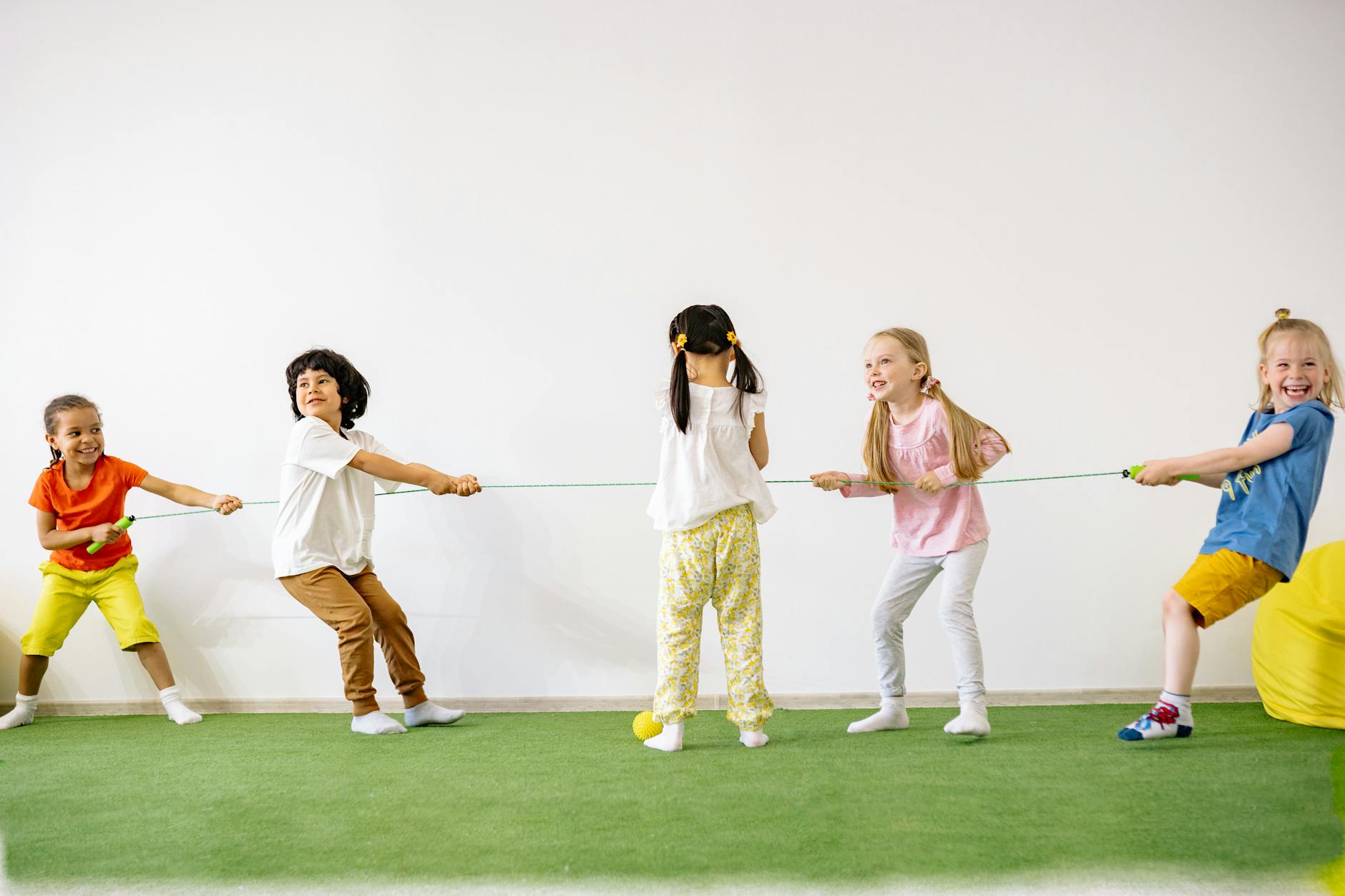
In the past, children would spend more time playing outside with friends, learning how to share, cooperate and resolve conflicts. Today, much of that time is spent on digital devices, which do not provide the same social interactions that are so important for development.
2. Less Play Time
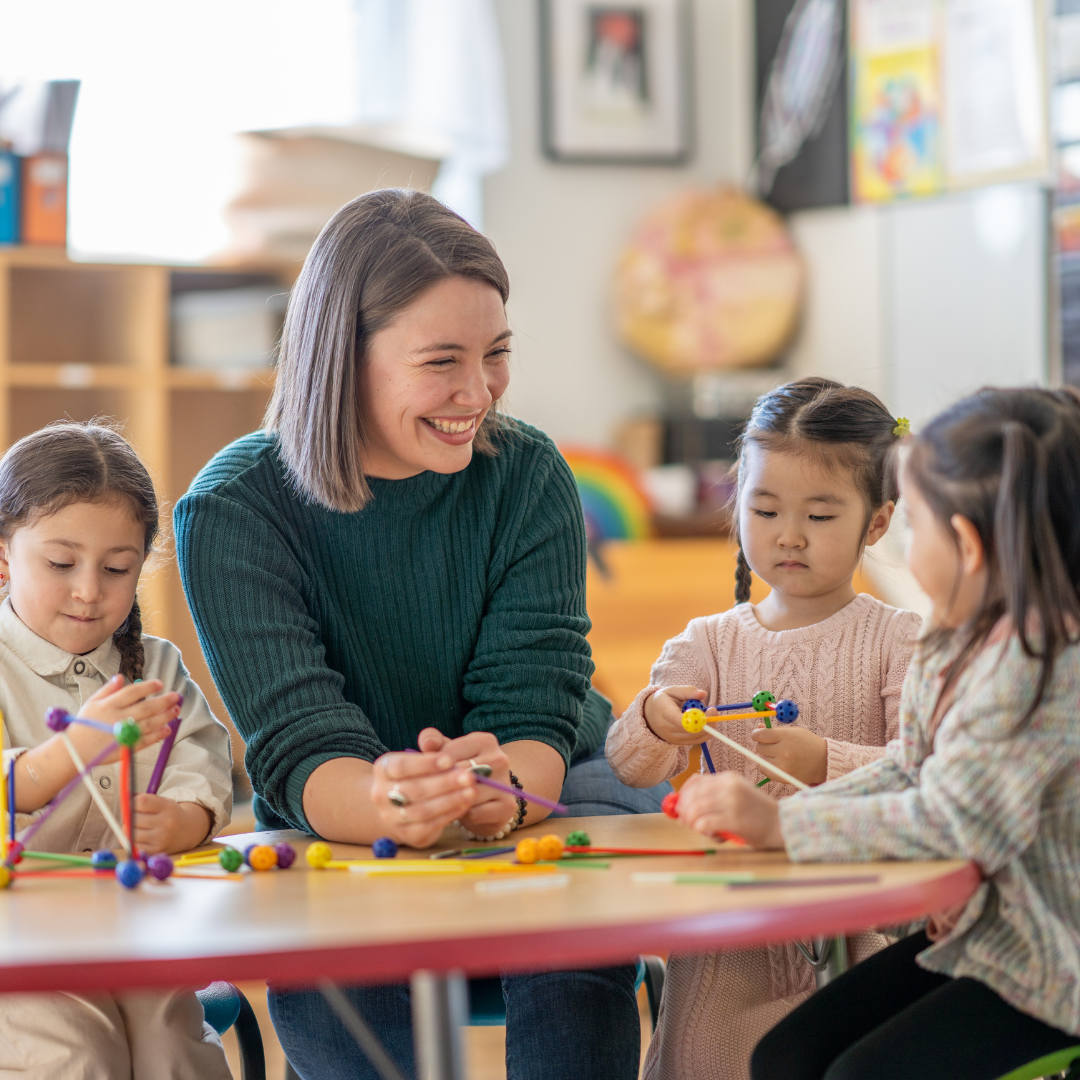
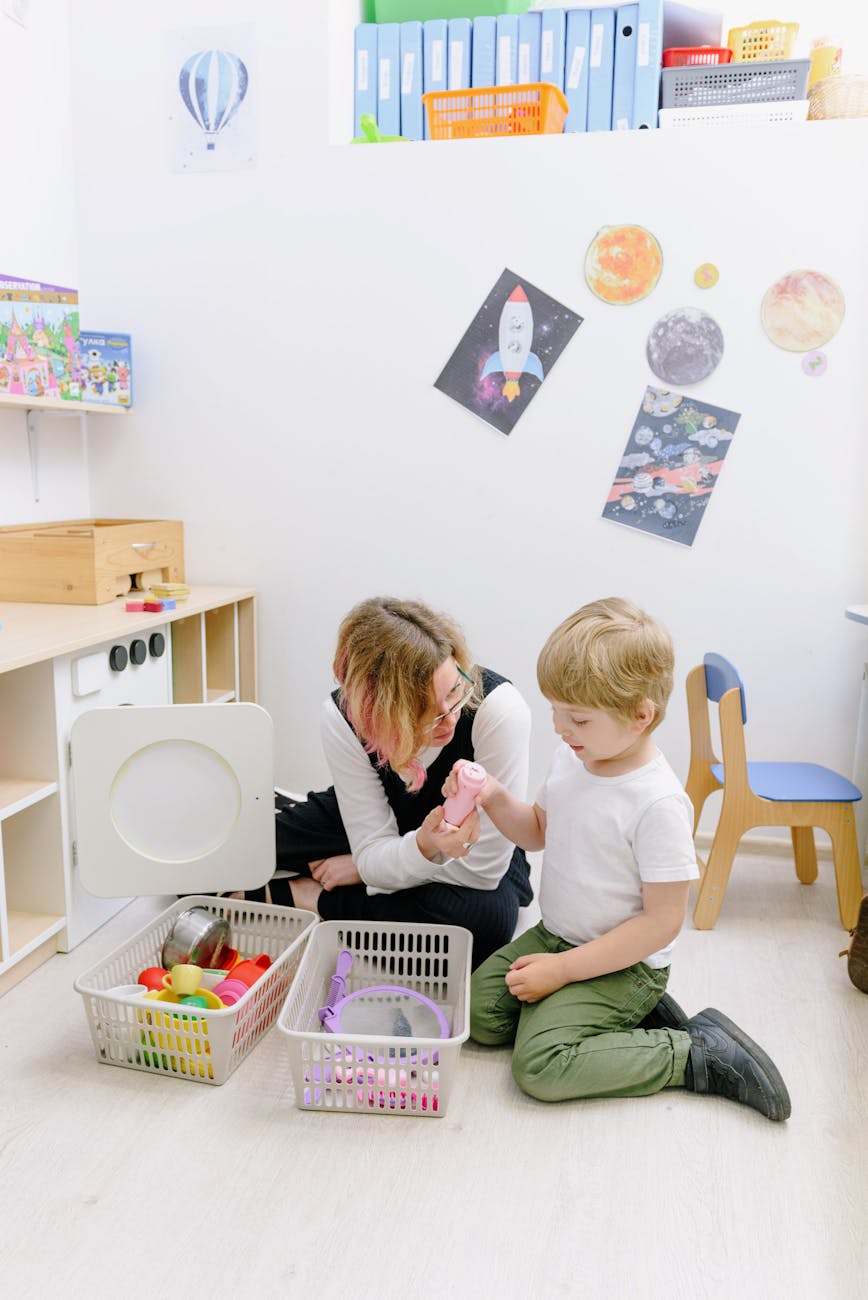
Another factor is the reduction of unstructured playtime. In many cases, early years programmes are more focused on academics than ever before. While learning numbers, letters and other academic knowledge is important, playtime is where children develop their social abilities. Through play, they learn how to communicate, collaborate and understand others’ feelings.
With less time dedicated to free play, children miss out on these valuable social learning experiences. Structured activities like lessons or sports do not offer the same opportunities for children to learn how to interact naturally.
3. Social Distancing and Isolation
The global pandemic has also played a significant role in impacting children’s social skills. During periods of lockdowns and social distancing, young children had fewer opportunities to meet and play with others outside of their homes. This lack of social exposure has had long-term effects, especially for children in their early years, who are still developing their foundational social skills.
Many children have had to learn how to make friends and interact with others in completely new ways, which has made it harder for them to develop strong social connections.
4. Changing Family Dynamics
Family dynamics have also shifted in recent years, and this affects how children learn social skills. Busy work schedules, smaller family sizes and the rise of single-parent households mean that many children spend less time interacting with siblings or extended family members. These interactions are important for teaching children how to communicate, share and solve conflicts. When children have fewer opportunities to interact with family members, their social skills may not develop as quickly.
5. Pressure to Perform Academically
In today’s society, there is a growing pressure for children to succeed academically from a very young age. This focus on academic achievement often overshadows the importance of social development. Parents and educators may prioritise reading and math over social-emotional learning, which can leave children without the necessary skills to navigate friendships and social situations.
What Can Be Done?
To improve children’s social skills, it’s important to strike a balance between academic learning and social development, especially in early years settings. Here are some simple steps that can help:
- Limit screen time: Encourage more face-to-face interaction and outdoor play.
- Prioritise play: Allow more time for unstructured play, where children can naturally learn how to work together.
- Encourage social activities: Whether at home or in early years programmes, organise activities that require cooperation and communication.
- Focus on emotional development: Teach children how to recognise and express their feelings and understand others’ emotions.
By making small changes, we can help children rebuild the social skills they need to thrive, both now and in the future. Social skills are not just about making friends; they are also crucial for success in school, work and life. Supporting children in the early years to develop these skills is essential for their overall well-being and future success.