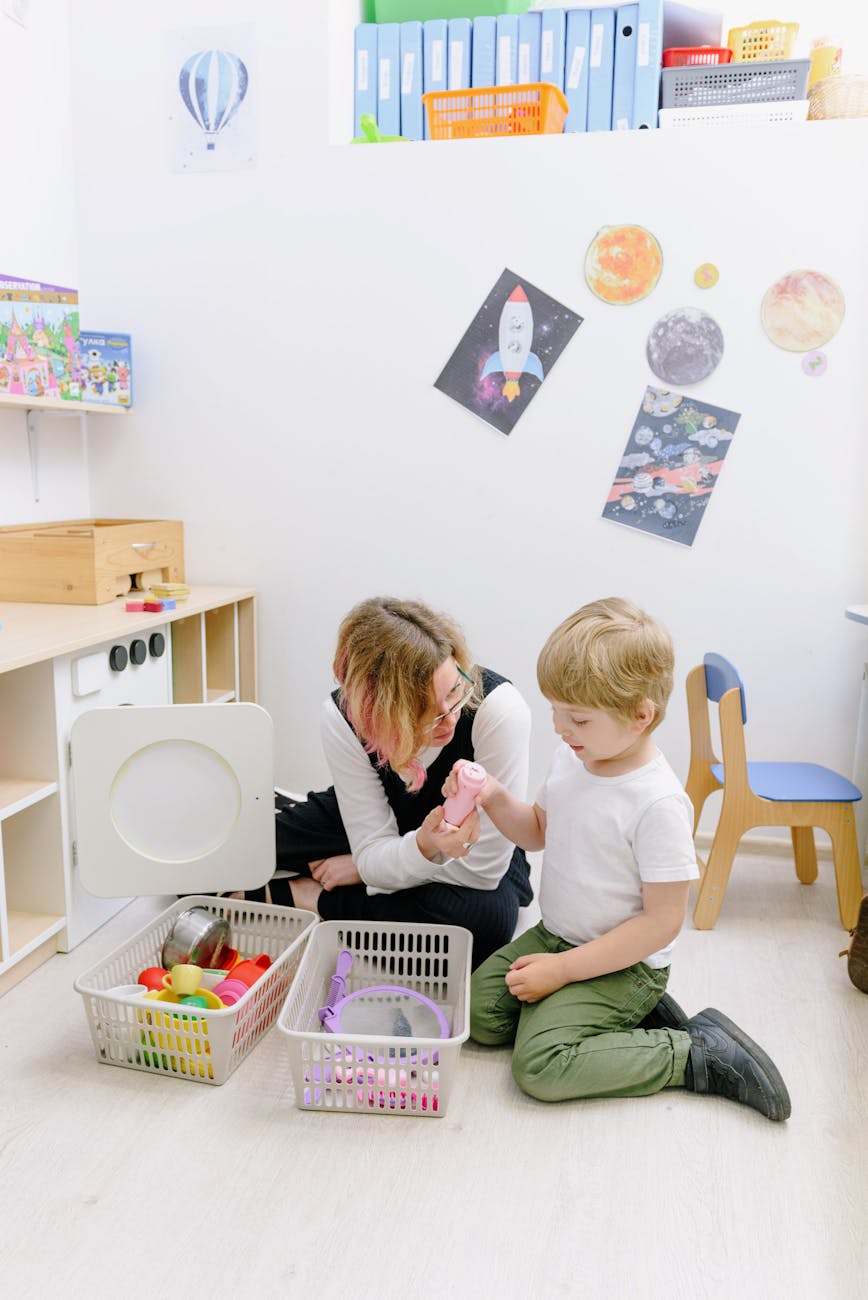
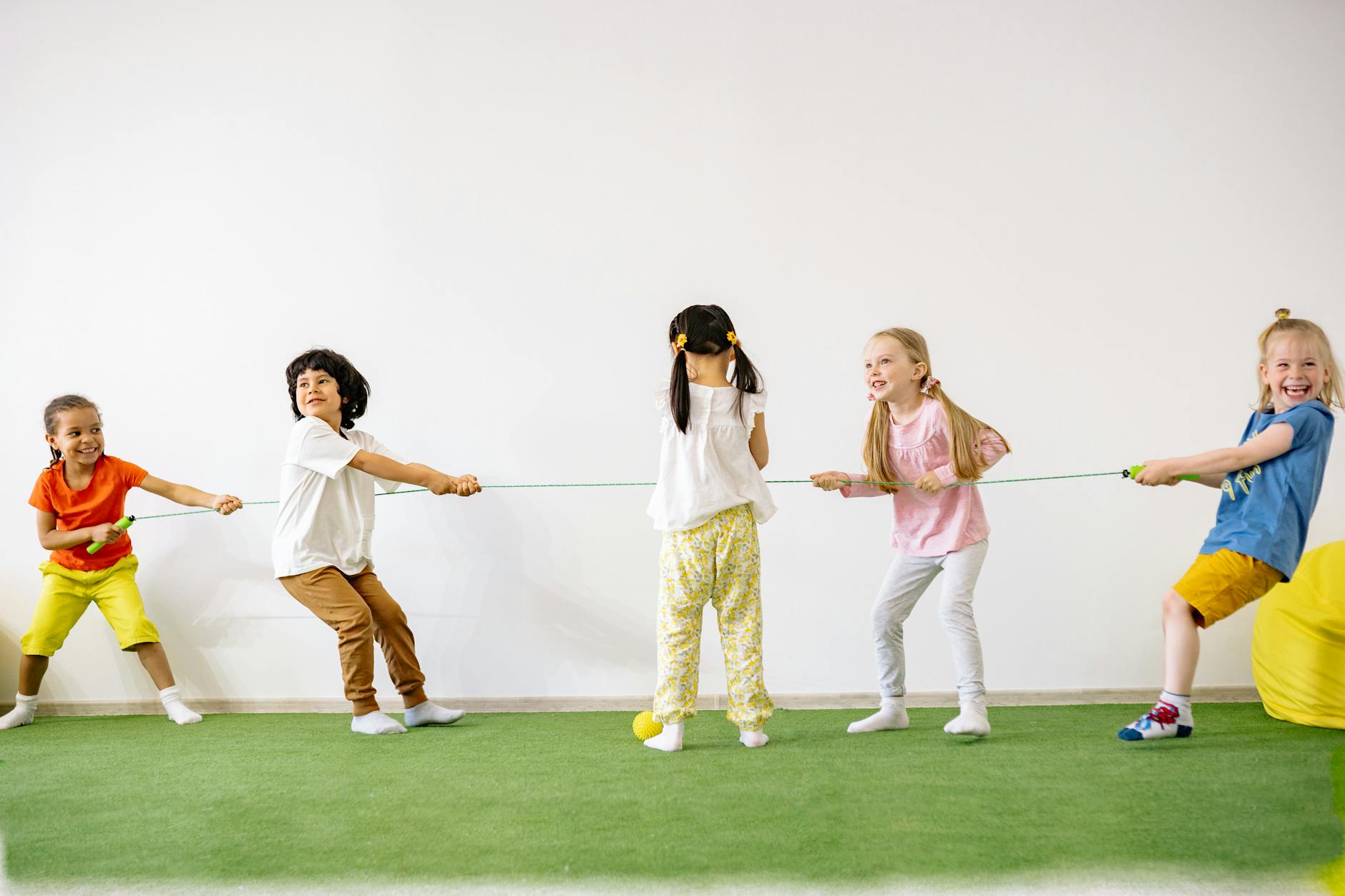
Outdoor spaces in early years education are not just play areas—they are crucial for a child’s learning and development. By designing engaging and purposeful outdoor environments, and making the most of the available weather, educators can provide valuable learning opportunities. With thoughtful planning, every child can benefit from the many advantages that outdoor spaces offer.
Outdoor areas provide a special environment where children can explore and learn in ways that indoor classrooms sometimes cannot offer. Nature encourages curiosity and imagination. By using outdoor spaces as part of the learning process, educators can create rich and engaging experiences that support children’s development.
It is crucial for early years staff to design outdoor areas that are engaging and purposeful. These spaces should be carefully planned to encourage exploration, problem-solving, and social interaction. A well-designed outdoor environment helps children discover and learn in a fun and meaningful way.
Free play is a key part of early years education, but it should be balanced with structured learning activities. Outdoor spaces should support both spontaneous play and planned educational experiences. This balance helps children develop physically, socially, and intellectually.

Addressing Dubai’s Climate
In places like Dubai, where the weather can be very hot, it may seem challenging to use outdoor spaces. However, there are at least five months of cooler weather that can be used effectively. During these times, outdoor areas can be transformed into vibrant learning environments where children can explore and play.
To make the most of outdoor spaces, even in warmer conditions, consider adding shade structures, water play areas, and materials suited to the climate. Including elements that reflect local culture and environment can also enhance the learning experience and help children connect with their surroundings.