Creating a positive and organised learning environment is paramount for the development and growth of young children in their early years of education. Teachers play a key role in shaping this environment, where structure, support and encouragement foster a love for learning. In this article, we explore various techniques and approaches that educators can employ to cultivate a nurturing atmosphere conducive to the holistic development of children in the early years.
1. Establish Clear Expectations: Setting clear expectations from the beginning helps children understand what is required of them. Simple, age-appropriate rules should be communicated clearly and reinforced consistently. Encourage children to participate in setting these rules, fostering a sense of ownership and responsibility within the classroom community.
2. Positive Reinforcement: Positive reinforcement is a powerful tool for shaping behaviour and building self-esteem. Acknowledge and praise desirable behaviour promptly and specifically. This could be as simple as verbal praise, stickers or a reward system tailored to the age group. Celebrating small achievements and efforts encourages children to strive for excellence and fosters a positive attitude towards learning.
3. Use Visual Cues: Visual cues are particularly effective for young children who are still developing their language skills. Use visual schedules, charts, and posters to outline daily routines, expectations, and classroom rules. Engaging visuals not only aid comprehension but also serve as a constant reminder of the classroom expectations.
4. Create a Structured Routine: Consistency and routine provide children with a sense of security and predictability. Establishing a structured daily routine helps children feel more comfortable and confident in their environment. Include designated times for activities such as circle time, free play, snack time, and transitions. Smooth transitions between activities are crucial to minimise disruptions.
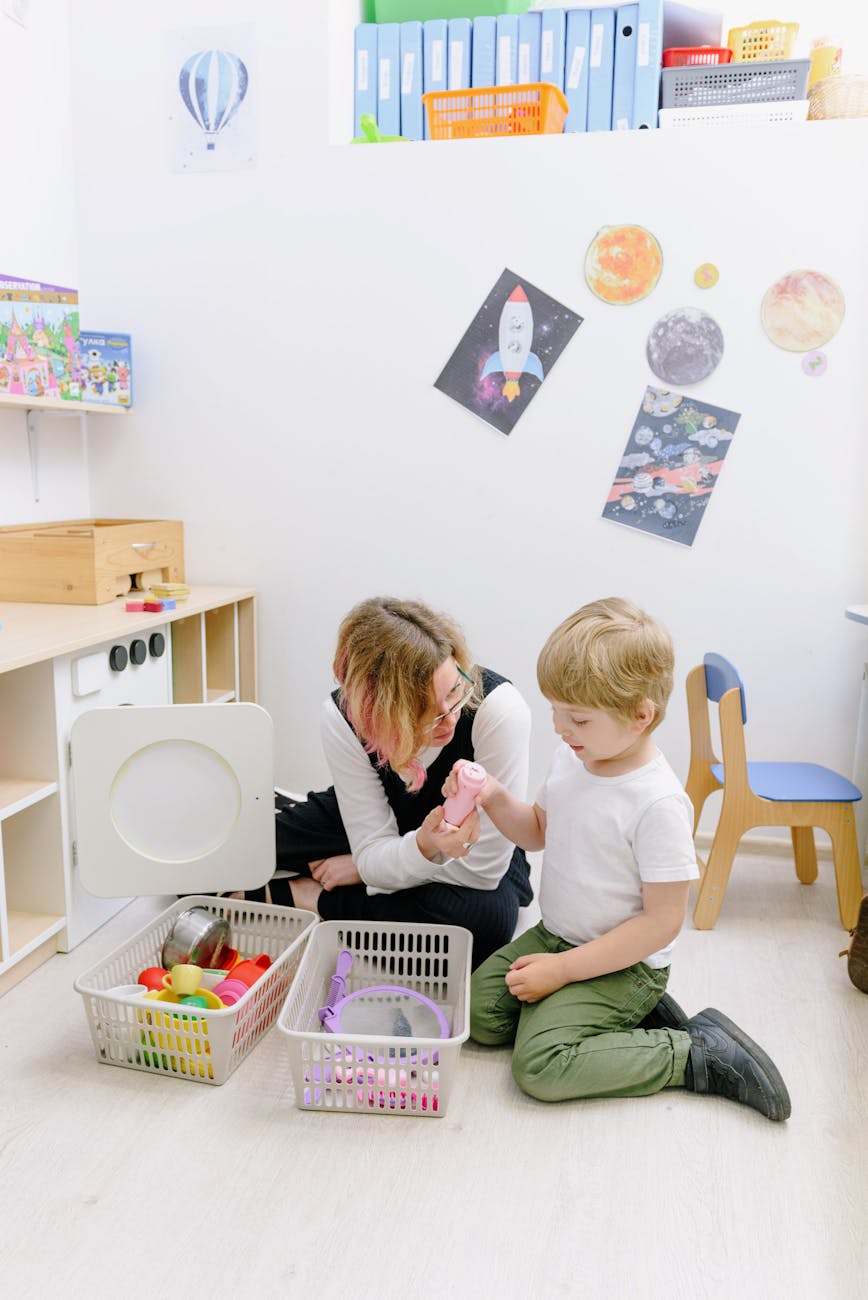
5. Implement Classroom Areas: Organise the classroom into different zones to cater to various areas of learning and activities. Create designated areas for reading corners, art stations, sensory play, and quiet areas for relaxation or individual work. Clearly demarcating these zones helps children understand the purpose of each area and promotes independent exploration and engagement.
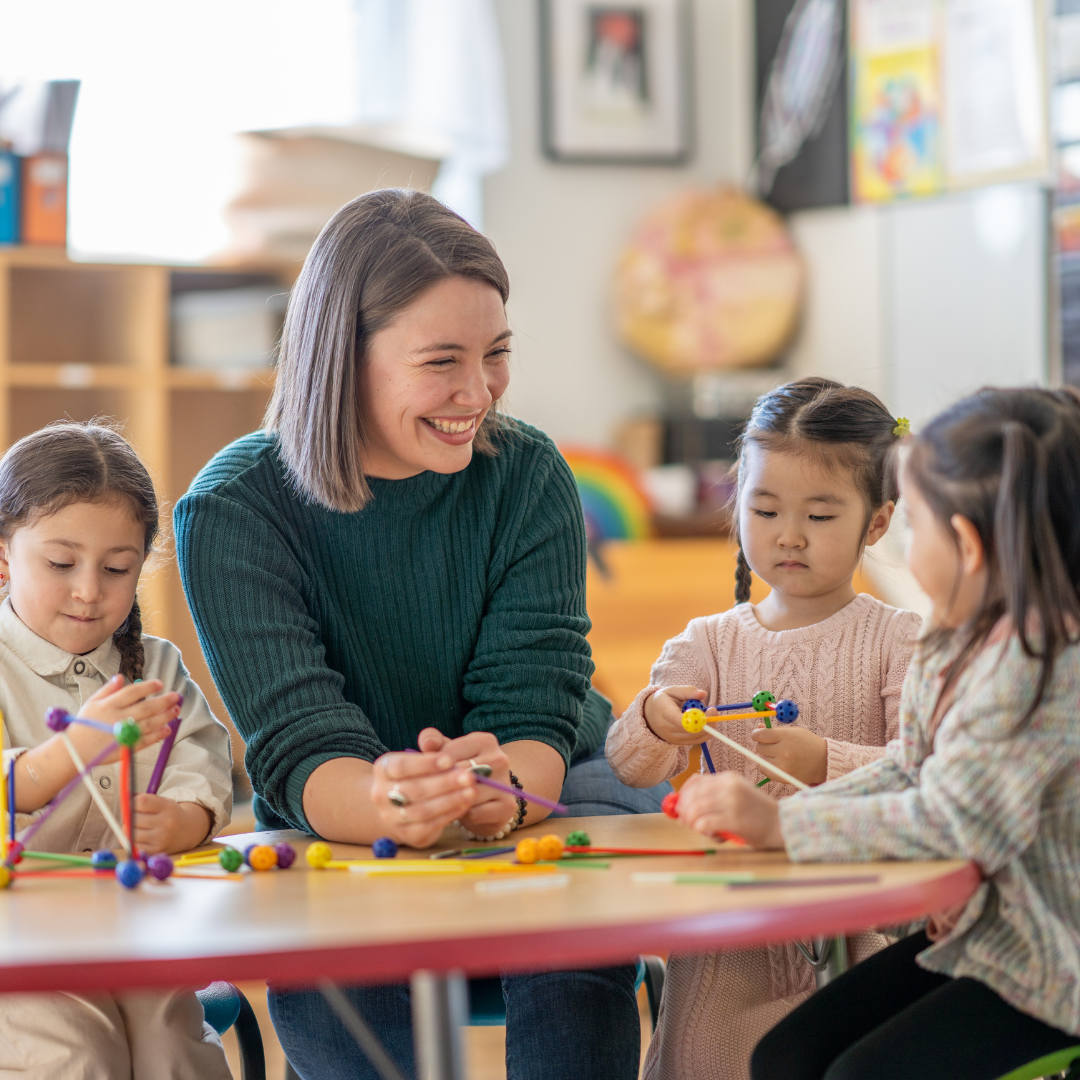
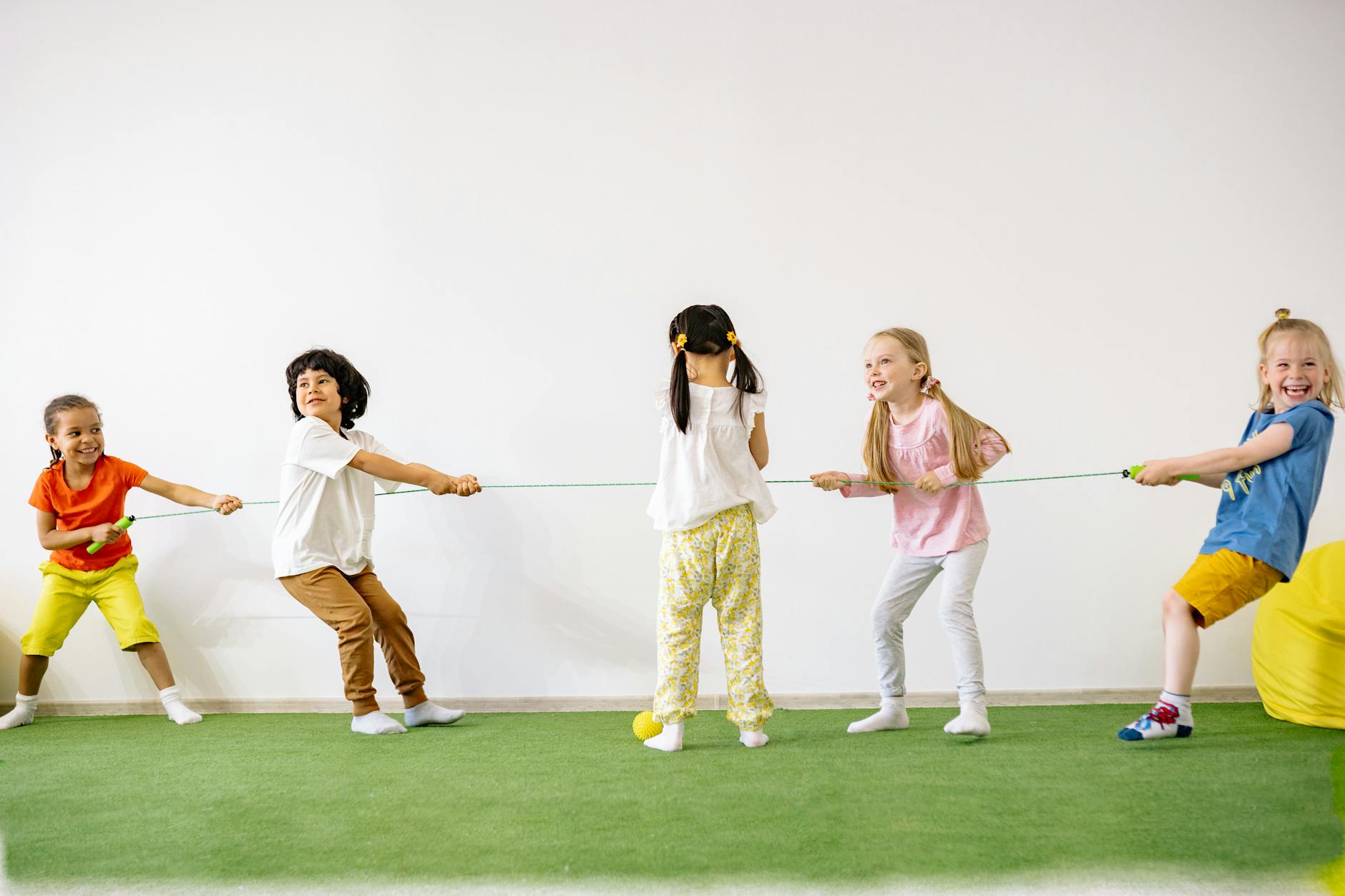
6. Encourage Active Engagement: Young children learn best through hands-on experiences and active engagement. Incorporate interactive and experiential learning activities that stimulate their curiosity and creativity. Use games, puzzles, group activities and thematic units to make learning fun and meaningful. Encourage peer collaboration and problem-solving skills through cooperative tasks and group projects.
7. Promote Effective Communication: Open and effective communication is essential for building positive relationships with young children and fostering a supportive learning environment. Encourage children to express their thoughts, feelings, and concerns openly. Listen attentively, validate their emotions, and provide constructive feedback. Model respectful communication and conflict resolution strategies, teaching children valuable social and emotional skills.
8. Cultivate a Culture of Respect and Inclusivity: Create a classroom culture that celebrates diversity, promotes empathy, and respects individual differences. Emphasise the importance of kindness, empathy, and inclusivity through stories, discussions, and role-playing activities. Foster a sense of belonging by valuing and affirming each child’s unique background, experiences, and abilities.
Effective classroom management is integral to creating a positive and organised learning environment for young children in their early years. By implementing strategies such as establishing clear expectations, using positive reinforcement, creating structured routines, and promoting active engagement, teachers can nurture young minds and foster a love for learning that lasts a lifetime. By cultivating a supportive and inclusive classroom culture, educators play a vital role in laying the foundation for the holistic development and success of their children.

Leave a Reply